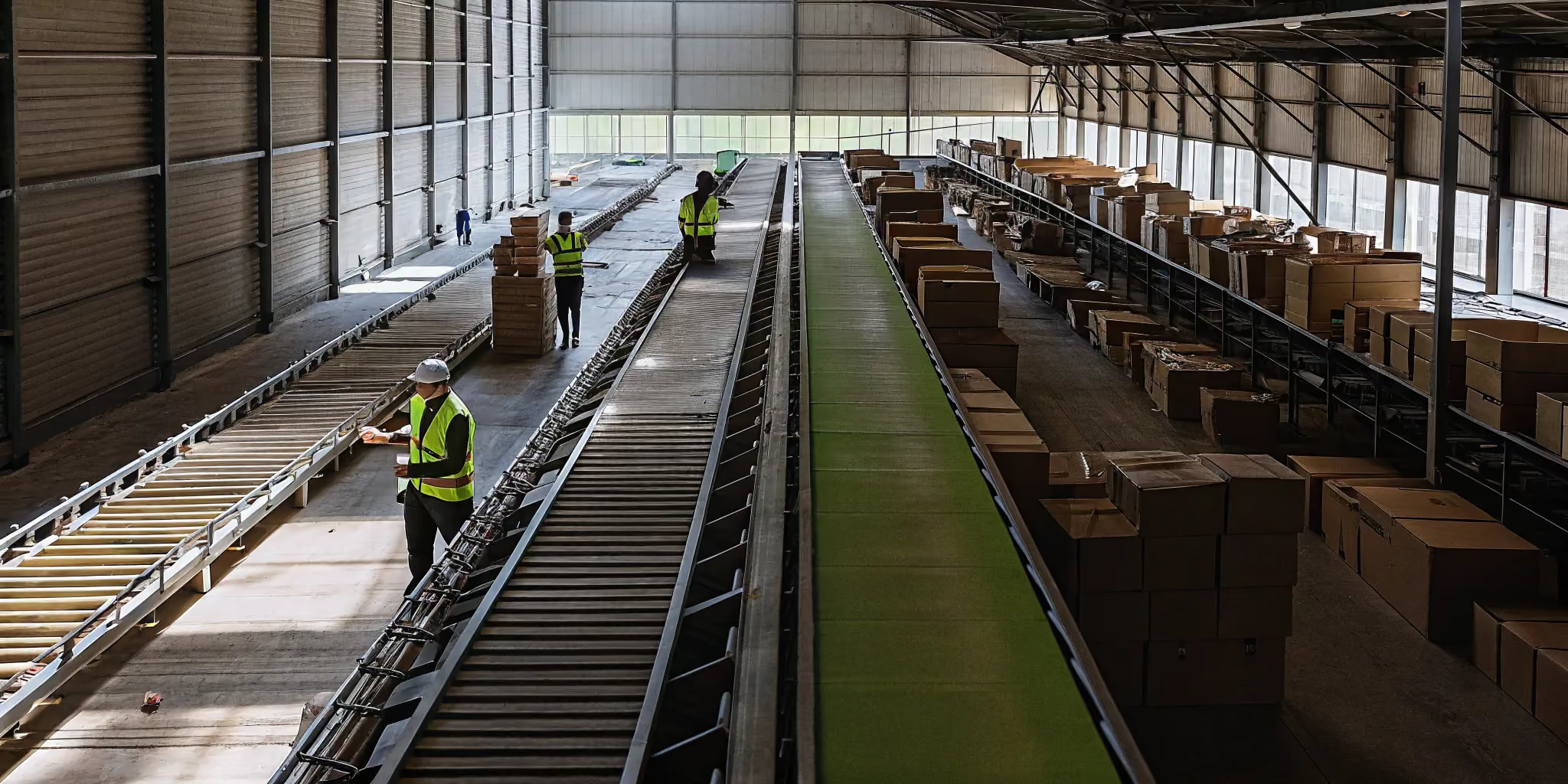
For a third-party Amazon seller, a customer return does not end when Amazon issues a refund. The item still needs a reliable path through inspection, condition grading, storage, and a final disposition decision. Without that process, inventory can sit as unfulfillable, accumulate fees, or be liquidated even when it could have been resold.
Schedule a ReturnPro demo to see how a controlled FBA returns workflow protects your recovery value.
Amazon FBA returns processing logistics works best when sellers separate Amazon's customer-facing return flow from a controlled reverse-logistics operation. That operation inspects each item, confirms whether it is relistable, and routes it to restock, refurbishment, resale, or liquidation.
The stakes are significant across retail. The National Retail Federation projected that U.S. consumers would return nearly $850 billion in merchandise in 2025, roughly 17% of total retail sales. This guide explains what FBA typically handles, where sellers absorb hidden costs, and how a structured process outside Amazon gives you more control. For broader context, see the complete guide to reverse logistics for retailers and brands.
How Amazon FBA returns processing logistics works for sellers
When an FBA customer sends an item back, the return does not automatically become healthy, sellable inventory. Amazon receives the product, evaluates its condition, and assigns a disposition that decides whether the unit returns to available stock or becomes a financial and operational liability.
What Amazon does when an FBA return arrives
Amazon's process begins with receiving the returned unit and comparing its condition with the requirements for resale. The item may be examined for signs of use, damage, missing components, packaging issues, or other conditions that affect whether another customer should receive it. Amazon's Seller Central reimbursement policy explains how return condition is evaluated and when a seller may qualify for reimbursement.
For sellers, the important point is that the FBA workflow is optimized for high-volume fulfillment, not for a detailed recovery plan for every returned unit. The result can be a fast classification that lacks the inspection depth needed to identify every repair, repackaging, or resale opportunity. That distinction matters more as volume grows and product categories become more complex.
Sellable versus unsellable inventory
A unit classified as sellable can generally return to the seller's available FBA inventory. An item classified as unsellable or unfulfillable is kept out of the sellable pool and may require removal, refurbishment, liquidation, or another disposition decision. FBA standards can mark inventory unsellable even when the product is in perfect condition or needs only minor repackaging.
That classification creates a gap between the item's physical condition and its recorded condition. A product that could recover value after careful inspection may instead accumulate as unfulfillable inventory, exposing the seller to storage costs and an overly broad disposition path.
What sellers receive back
Sellers do not always receive a complete explanation of every condition decision the way they would from a dedicated returns operation. They receive inventory categorized through Amazon's process, along with the associated financial outcome or reimbursement path when applicable. Accurate records matter: track the original SKU, return reason, condition, quantities, and final disposition.
Off-site processing can provide more granular inspection and grading than automated FBA processes typically allow. It gives sellers a clearer basis for deciding whether a unit should be repackaged, repaired, relisted, resold through another channel, or removed from circulation. The goal is not to override Amazon's controls but to stop every non-sellable classification from becoming an automatic loss.
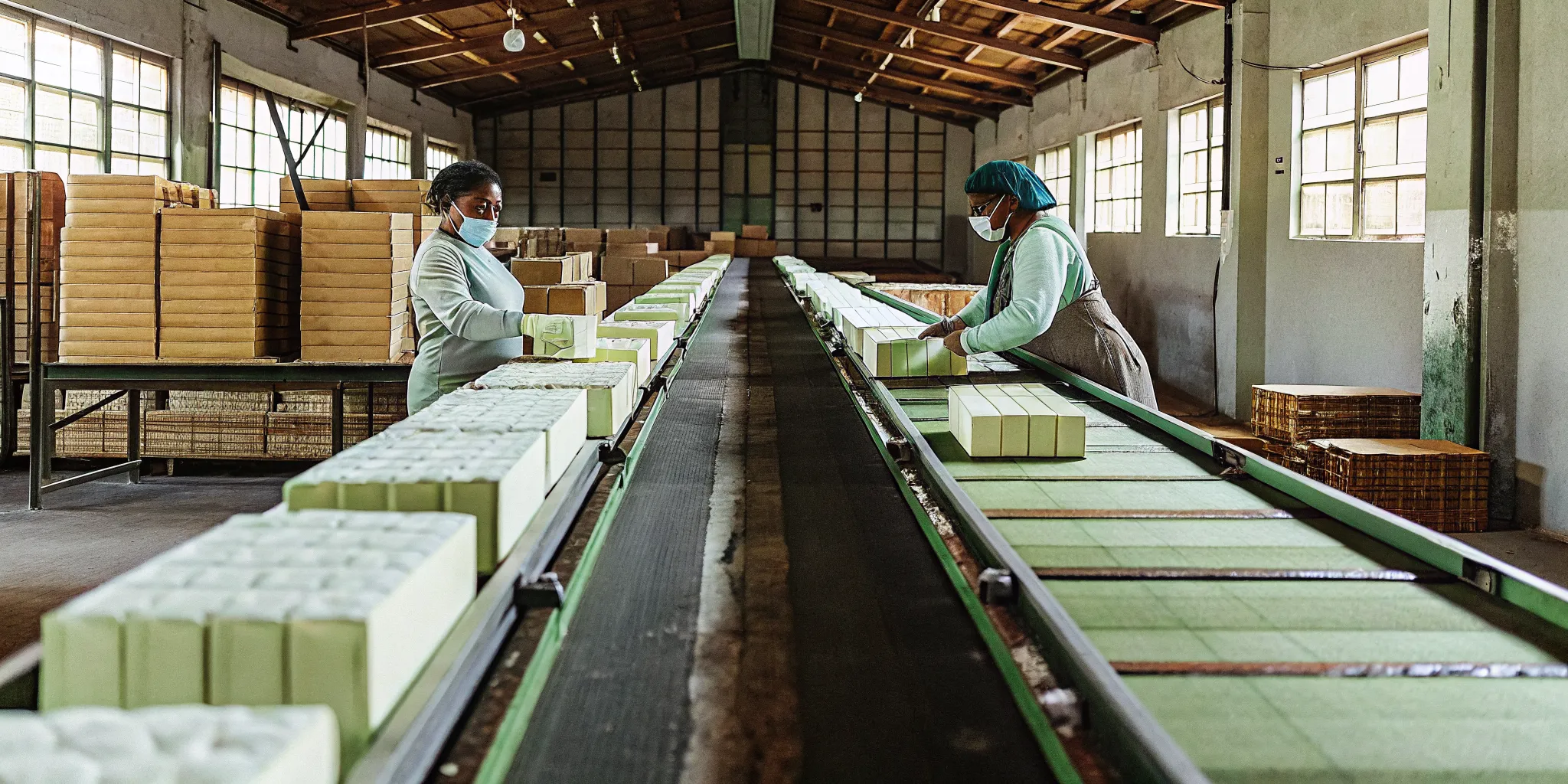
The hidden cost of FBA returns: unfulfillable inventory and stranded stock
A return keeps costing money after Amazon settles the refund while the unit sits unfulfillable. Storage charges, capital drag, and recovery delays accumulate the longer it waits for a disposition.
Storage fees turn a processing delay into an ongoing liability
A returned unit does not stop costing money when Amazon issues the customer a refund. If it remains in an FBA warehouse as unfulfillable inventory, it continues consuming storage capacity and tying up capital that could fund sellable stock. The longer a unit sits without a disposition decision, the harder it becomes to understand its true recovery value. Monthly storage fees compound while a removal or recovery process waits to start.
Scale exposes the bottleneck
In-house handling may work when returns are occasional. As volume rises, receiving, inspection, grading, repackaging, and disposition decisions become a bottleneck. Overhead increases at the same time more units are exposed to storage charges and slower recovery. A spreadsheet that tracks return authorizations is not a process that moves physical inventory through a defined decision path.
When outside processing improves the economics
For sellers with enough volume, processing FBA returns outside Amazon can cost less than relying on FBA alone. A specialized operation spreads inspection and grading costs across more units, creating economies of scale while keeping the workflow focused on recovery. It also separates physical processing from the storage constraints of the FBA channel. Many sellers start with our 3PL returns processing guide to compare facility-level options.
That does not mean every returned item belongs in the same disposition category. It means the decision should be made deliberately. Removing eligible inventory from the FBA bottleneck, grading it consistently, and routing it to the right next step can reduce avoidable storage exposure and restore working capital faster.
Grading and relistable condition standards for returned FBA inventory
A returned product should not move directly from a customer return into either the saleable pool or a liquidation stream. It needs consistent inspection that separates cosmetic issues, packaging damage, functional defects, missing components, and signs of fraud. Without that distinction, a lightly used or repackaged item may be treated as unfulfillable even when it could be sold again profitably.
Inspect every item before assigning a condition
Inspection at the point of receipt is the first control in a reliable grading program. A trained team confirms product identity, compares serial numbers where applicable, checks for damage, and looks for counterfeit indicators before a unit enters saleable inventory. That prevents damaged or fake products from reaching customers and protects marketplace performance.
Inspection should also record the return reason and the condition of the unit as received. An opened box with no functional issue should not receive the same disposition as a product with a safety defect. Missing accessories, stains, scratches, or evidence of use may affect the grade differently by category and resale policy. The objective is not to make every item saleable; it is to make every disposition defensible.
Translate grades into clear relisting rules
Grades are useful only when they lead to consistent actions. Define which conditions relist as new, which require a used or open-box designation, and which must be refurbished, recycled, liquidated, or destroyed. Document packaging requirements, testing steps, accessory checks, and photo standards for each grade so decisions stay consistent between shifts and remain auditable.
Managing returns outside the primary FBA channel gives sellers more control over the quality of items that re-enter inventory. It also creates a feedback loop: review which defects recur, which grades generate successful resale, and which products should bypass relisting. For a broader framework, see our guide to the enterprise returns management platform.
How to set up Amazon FBA returns processing logistics outside Amazon
Moving returns outside Amazon is not simply a matter of redirecting parcels. It requires a controlled reverse logistics process that separates customer-facing returns management from the operational work of receiving, grading, routing, and reconciling inventory. Returns management handles the request, label, status updates, and refund; reverse logistics determines what happens to the product after it comes back.
Build the workflow in five steps
- Remove fulfillment from the FBA return path. Configure eligible returns to move to a third-party logistics provider or specialized returns processor instead of waiting for Amazon's standard disposition process. A provider with reverse supply chain services can coordinate transportation, receiving, storage, and downstream disposition as one workflow.
- Receive and inspect every unit. Record the return against the order, SKU, reason, and shipment, then inspect packaging, product condition, accessories, serial numbers, and signs of use or damage. Receiving inspection prevents damaged or counterfeit products from entering the saleable pool and makes later reconciliation easier.
- Grade against a relistable standard. Define condition grades before volume arrives and apply the same criteria to every unit. A product requiring only minor repackaging should not be treated like a damaged item. Separate sellable, repairable, incomplete, and non-recoverable inventory, and document the reason for every grade.
- Repack and relist the right units. Restore packaging, replace approved components, and route each item to its intended resale channel. Relist only after quality checks confirm the product and presentation meet your standard, so viable units return to productive stock without creating a new customer experience problem.
- Track reconciliation and inventory turnover. Match physical receipts, grades, dispositions, relistings, removals, and reimbursements to the corresponding Amazon records. Monitor processing time, recovery rate, aging inventory, and exceptions. A platform with software for Amazon FBA returns processing can connect these operational events to a clearer reporting trail.
These steps sit inside the larger field of reverse logistics, which we cover in depth in the complete guide to reverse logistics for retailers and brands.
The economics improve with scale and specialized capacity. ReturnPro's network spans over 2.5 million square feet, processes more than 45 million units annually, and supports 75% faster return processing for its partners. That combination helps sellers move from ad hoc removal orders to a repeatable returns operation.
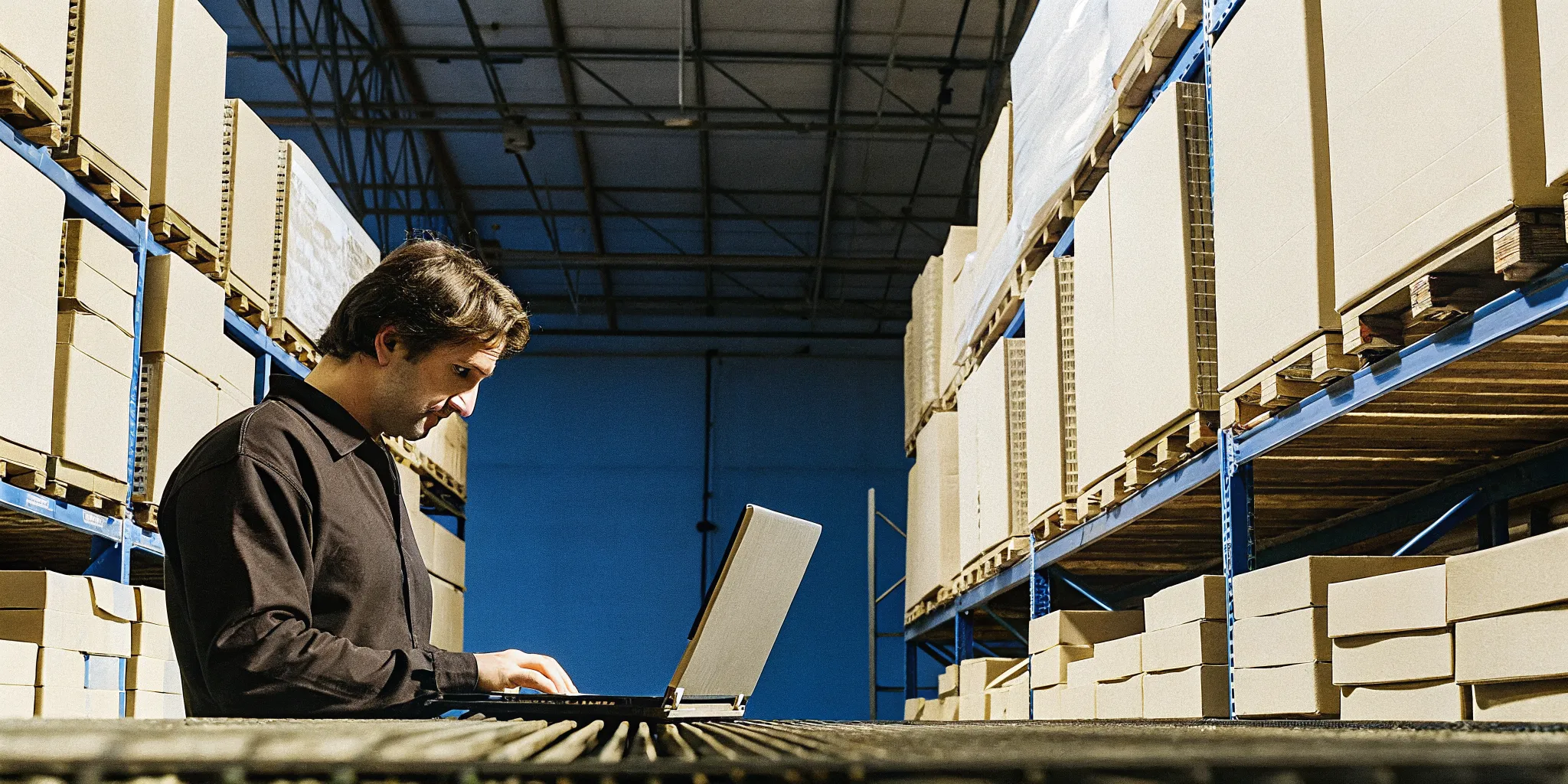
Resale and recovery options for FBA returned inventory
Returned FBA inventory should not move automatically from a customer return to liquidation. The right disposition depends on condition, required handling, resale channel, and the margin available after transportation and processing. That decision determines whether a seller recovers useful value or absorbs another avoidable loss.
Match disposition to condition and economics
Start with a documented inspection and grading decision. A unit that is complete, functional, and easy to repackage may suit restocking. A unit with a correctable cosmetic or functional issue may justify refurbishment. Inventory that cannot return to the primary FBA pool can still generate value through a secondary channel. Damaged, unsafe, or uneconomical units may require liquidation or responsible recycling.
Specialized reverse logistics providers can handle refurbishment and apply more granular grading than standard automated FBA processes. Managing work outside the primary FBA channel also gives sellers greater control over the quality of items placed back into inventory. Sellers evaluating ReCommerce recovery should select the channel that produces the strongest practical recovery after labor, transportation, and processing costs. Retailers have also turned millions of dollars of idle inventory into cash with disciplined recovery paths.
| Disposition path | When to use it | What it requires | Value recovery profile |
|---|---|---|---|
| Restock | The product is functional, complete, authentic, and in saleable condition. | Receipt inspection, accurate grading, repackaging when needed, and controlled relisting. | Usually the highest recovery because the unit can return to the primary sales channel with minimal additional work. |
| Refurbish | The product has a repairable defect or presentation issue but retains meaningful demand. | Testing, repair or cleaning, replacement components, quality checks, and a documented condition grade. | Can restore strong value, but only when refurbishment cost and turnaround time support the expected selling price. |
| Resell through secondary channel | The item is usable but does not meet the primary FBA channel's relisting or packaging requirements. | Channel selection, condition disclosure, inventory records, pricing, and fulfillment outside the primary pool. | Often recovers more than liquidation by matching usable inventory with a market that accepts graded or open-box goods. |
| Liquidate | The product is unsafe, incomplete, damaged beyond economical repair, or too costly to process. | Clear disposition rules, compliant handling, and recycling or responsible disposal where appropriate. | Typically the lowest financial recovery, but it can prevent ongoing storage costs and reduce unnecessary environmental impact. |
These paths should be managed as a portfolio, not four isolated choices. Consistent grading reveals which products deserve refurbishment, which secondary channels perform best, and which units cost more to handle than they can recover. That visibility helps sellers avoid default liquidation while keeping unsafe or uneconomical inventory out of the saleable pool.
Choosing a third-party returns processor for Amazon seller accounts
The right returns processor should do more than receive cartons and move units out of an FBA warehouse. It should give you a repeatable way to inspect returned products, decide what happens next, and measure whether the process protects margin. That means evaluating the provider as an operating partner, not comparing a per-unit handling fee.
Evaluate the operating model, not just the software
Start with processing time. Ask how quickly the provider can receive, inspect, grade, and route inventory, and ask for the metric definition behind the answer. A fast label scan does not mean inventory is ready for resale, and processing delays can keep units tied up while storage costs grow.
Next, examine recovery rate. A credible provider should explain how it measures recovery. The definition should cover units returned to saleable inventory, refurbished units, secondary-market sales, and liquidation outcomes. The provider's grading rules should also be visible to your team. A single automated disposition path leaves value on the table across varied return reasons and categories.
Transportation cost per return deserves separate attention. Compare the full cost of moving inventory, receiving and handling it, and sending recovered units to their next channel. A low processing price can be misleading if transportation is expensive or the provider requires unnecessary transfers. Request reporting that separates transportation, processing, refurbishment, and disposition costs so you can identify the real drivers of margin loss.
Look for connected fulfillment, grading, and recommerce
For Amazon sellers, the strongest model connects physical fulfillment with inspection, grading, and recommerce. This structure reduces handoffs between vendors and gives one team responsibility for the chain of decisions after a return arrives. It also makes it easier to route each unit to restocking, refurbishment, resale, liquidation, or responsible disposal.
Technology should support that operation rather than exist separately from it. ReturnPro integrates SaaS technology, physical reverse logistics, and ReCommerce services so sellers manage the workflow and the inventory outcomes together. To evaluate the software side, review Amazon seller returns software or marketplace seller solutions.
Before signing, request sample reporting and a clear service-level agreement for processing time, recovery rate, and transportation cost per return. Those three metrics provide a practical baseline for comparing providers and determining whether the partnership improves the economics of your Amazon returns operation.
Schedule a ReturnPro demo to see how a structured outside-Amazon workflow improves grading, recovery, and disposition decisions.
Frequently Asked Questions
How does FBA handle returns?
Amazon receives the returned item at a fulfillment center, evaluates its condition, and determines whether it can return to sellable inventory or should be classified as unsellable. The assessment also affects whether a seller may qualify for reimbursement under Amazon's applicable inventory reimbursement policy. Review the current requirements in Amazon's customer returns and inventory reimbursement policy.
How should sellers process FBA returns outside Amazon?
Use a returns processor or 3PL that can receive removed inventory, inspect each unit, and assign a documented condition grade. The same partner can repackage or refurbish eligible products and route each item to the right recovery channel. The workflow should connect physical handling with inventory records so relistable units do not remain unfulfillable while decisions are pending.
How do you determine if a returned FBA item is relistable?
Set a written inspection standard based on product safety, completeness, functionality, packaging, and visible damage. Separate customer-damaged, carrier-damaged, defective, and potentially fraudulent units during intake. A second inspection outside FBA can provide more granular evidence than an automated classification and gives you a consistent basis for relisting, refurbishment, liquidation, or disposal.
What are common mistakes when handling FBA returns?
Common mistakes include waiting too long to review return reports, allowing unfulfillable inventory to accumulate, and relying on Amazon's condition label without an audit. Sellers should monitor aging inventory, define removal rules, and track processing time, recovery rate, and cost per return.
What happens to unsellable FBA inventory?
Inventory classified as unsellable may remain in FBA until the seller requests removal. It may also be returned to the seller or disposed of per account settings and Amazon processes. Review the status promptly, because holding inventory without a recovery plan can add storage and handling costs while reducing available capacity.
Schedule a demo for FBA returns processing
A clearer returns workflow can help you make more informed decisions about inspection, recovery, and inventory disposition outside Amazon. Schedule a demo of ReturnPro's Amazon FBA returns processing services to discuss your operation and identify practical next steps.