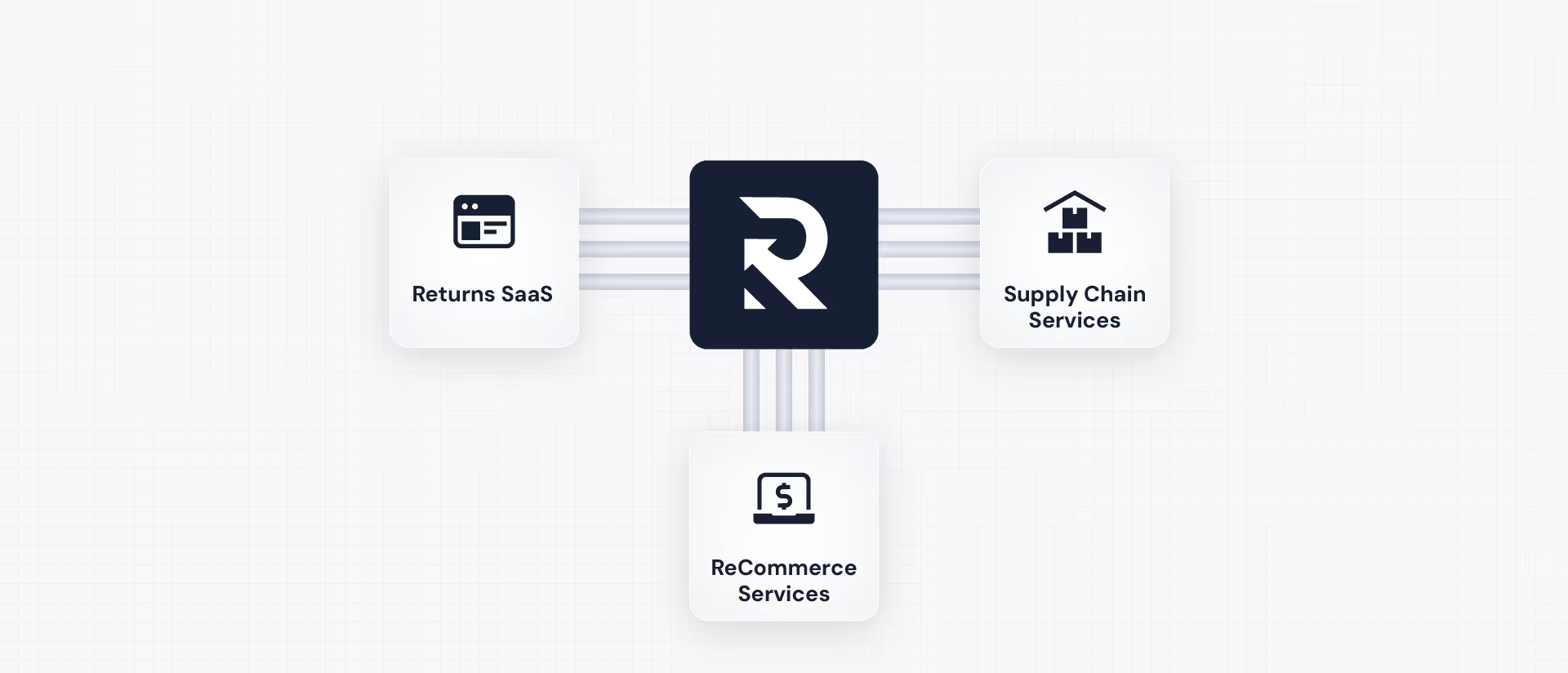
A thoughtful returns process doesn't just improve your bottom line; it can also support your company's sustainability goals. Instead of viewing returns as waste, you can see them as assets waiting for their next opportunity. This shift in perspective is key to building a more responsible brand. By focusing on recovery and reuse, you can reduce your environmental footprint, find new revenue streams, and show customers you care about more than just the initial sale. Learning how to improve returns management process is about turning a potential loss into a win for your business and the planet.
Key Takeaways
- Make returns a strategic advantage: Instead of viewing returns as just a cost, use the process to create a positive customer experience that builds loyalty. The data you gather also offers crucial feedback for improving your products and marketing.
- Unify your process with technology: Ditch the spreadsheets and manual work for a single returns platform. This automates key decisions, gives customers a simple self-service portal, and provides your team with one clear view of the entire workflow.
- Maximize revenue from returned goods: Implement a fast, organized system to get items inspected and ready for resale. For products that are not in perfect condition, use recommerce strategies to find them a second life, helping you recover value and operate more sustainably.
What Is Returns Management (and Why Should You Care)?
Let's talk about returns. For a long time, businesses have treated them as an unavoidable cost, a messy final step in the sales process. But returns management is much more than just handling unwanted items. It’s the entire system that kicks in the moment a customer decides to send something back. This includes everything from how they start the return online, to how the product gets back to your warehouse, and what happens to it once it arrives. A thoughtful returns strategy can turn a potential loss into a win for both you and your customer.
When you get returns right, you do more than just process a refund. You give customers a smooth, easy experience that builds trust and makes them want to shop with you again. You also create a system that quickly gets valuable products back into your inventory, ready to be sold again. Thinking about returns this way changes them from a problem to be solved into an opportunity to improve customer loyalty, recover revenue, and make your operations more efficient. A complete returns management solution combines smart software with streamlined logistics to make this a reality.
The real cost of a bad returns experience
We’ve all been there: trying to return an item and hitting a wall of confusing rules, hard-to-find links, and slow customer service. It’s frustrating, and it’s the fastest way to lose a customer for good. A difficult returns process doesn't just sour one transaction; it damages your brand's reputation and can lead to negative reviews that scare away new shoppers. Internally, a messy system creates chaos. Your customer service team spends hours answering questions that a clear policy could have prevented, and your warehouse team is left with piles of unsorted items, unsure of what’s inside or where it needs to go.
How returns impact your bottom line
The financial hit from returns is staggering. In fact, returns were projected to cost U.S. retailers around $743 billion in a single year. This isn't just about the money you refund to the customer. It’s the cost of shipping the item back, the labor needed to inspect and process it, and the depreciation of the product's value. The longer a returned item sits in a corner of your warehouse, the less likely you are to resell it at full price. A slow, inefficient process means you’re losing money every day. On the other hand, a fast and organized system that prioritizes getting items ready for resale through recommerce services can help you recover significant value.
What Makes Managing Returns So Hard?
If you’ve ever felt like you’re drowning in a sea of returned packages, you’re not alone. Managing returns is one of the most complex and underestimated parts of running an ecommerce business. It’s not just about giving a customer their money back; it’s a whole separate supply chain running in reverse. Fluctuating return volumes, dissatisfied customers, and lengthy processes can quickly derail your operations and hurt your reputation.
The truth is, an inefficient returns process doesn't just create headaches. It leads to frustrated customers, lost sales, and high operational costs. When you’re trying to grow your brand, the last thing you need is a clunky, expensive returns system holding you back. Understanding the specific challenges is the first step toward finding a better way forward. By pinpointing what makes returns so difficult, you can start building a process that works for you, not against you, with the right returns management solutions.
Overwhelming return volumes
The flow of returns is rarely a steady trickle. It’s often a flood, especially after the holidays or a big sale. One week your team might be managing a handful of returns, and the next, they’re facing a mountain of boxes. This unpredictability makes it nearly impossible to staff and plan effectively. When your team is overwhelmed, processing times get longer, mistakes happen, and returned inventory piles up in a corner of your warehouse, losing value every day. This backlog doesn't just create clutter; it delays refunds and frustrates customers who are waiting for their money back.
Dealing with return fraud and policy abuse
Let's talk about the elephant in the room: not all returns are honest. Return fraud and policy abuse, like "wardrobing" (wearing an item once and returning it) or sending back a different or damaged product, are real problems for retailers. Trying to sort legitimate returns from fraudulent ones adds another layer of complexity and cost to your process. Without a system to flag suspicious activity, you could be losing significant money on unsellable products and shipping fees. It’s a delicate balance between providing a flexible approach for your good customers and protecting your business from those who take advantage of it.
Not knowing where a return is
From the moment a customer drops a package in the mail, it can feel like it has entered a black hole. You don't know it's coming, and your customer doesn't know when you'll receive it or process their refund. This lack of visibility creates anxiety for everyone. Slow and outdated internal processes can make these returns extremely costly, as your team spends time answering "Where's my refund?" emails instead of getting products back on the shelf. Having clear visibility into your supply chain services is critical for keeping customers informed and managing your inventory effectively.
Juggling disconnected systems and manual tasks
Are you managing returns with a mix of spreadsheets, email chains, and your ecommerce platform? If so, you know how chaotic it can be. This patchwork approach creates information silos, where your customer support team, warehouse staff, and finance department are all looking at different data. This leads to manual data entry, a high risk of errors, and a process that is slow and impossible to scale. A true returns management process covers the end-to-end workflow, and that requires a single source of truth. A dedicated Returns SaaS platform can bring all these moving parts together.
8 Ways to Improve Your Returns Process
Improving your returns process doesn't have to be a massive, complicated overhaul. Often, a few strategic changes can make a world of difference for your team and your customers. A smoother process can turn a potential negative experience into a positive one, building customer loyalty and protecting your bottom line. It’s about working smarter, not harder, to handle returns with grace and efficiency. By focusing on clarity, convenience, and smart automation, you can transform returns from a costly headache into a competitive advantage.
Here are eight actionable steps you can take to refine your returns management process.
1. Create a clear and accessible returns policy
Think of your returns policy as a conversation with your customer. It’s your chance to set clear expectations and build trust from the start. A confusing or hard-to-find policy creates frustration and can lead to lost sales. Make sure your policy is written in plain language and is easy to locate on your website. Clearly state your return window, the condition items must be in, and what customers can expect, whether it's a refund, store credit, or an exchange. A transparent policy shows you stand behind your products and value your customers, which is a core part of a great post-purchase experience. When customers know what to expect, they feel more confident making a purchase.
2. Make starting a return easy for customers
When a customer decides to return an item, the last thing you want is to make the process difficult. A clunky, complicated return initiation is a quick way to lose a customer for good. The goal is to reduce friction as much as possible. Offering a self-service online portal where customers can start a return and print a shipping label on their own is a game-changer. This empowers customers and frees up your support team. By implementing a Returns SaaS solution, you can give customers the simple, on-demand experience they expect, turning a potential point of frustration into a seamless interaction that reinforces their trust in your brand.
3. Use better product details to prevent returns
The best way to handle a return is to prevent it from happening in the first place. Many returns happen because the product didn't meet the customer's expectations. You can get ahead of this by investing in high-quality product pages. Use clear, high-resolution photos from multiple angles, write detailed descriptions that cover features and materials, and include a comprehensive size guide with measurements. Customer reviews and Q&A sections are also incredibly valuable, as they provide social proof and answer questions you might not have thought of. When you give shoppers all the information they need to make an informed decision, they’re far more likely to be happy with their purchase, which means fewer items coming back your way.
4. Automate approvals and routing
Manually approving every return and deciding where it should go is a huge time sink and a recipe for errors. Automating these decisions is key to a more efficient workflow. You can set up rules to instantly approve returns that meet your policy criteria, like those within the 30-day window. You can also automate routing to send items to the right place based on their condition or category. For example, a pristine item can be routed for immediate restocking, while a slightly damaged one might go to a refurbishment center. This level of automation is a core component of effective supply chain services, ensuring every returned item is handled quickly and sent down the most profitable path.
5. Bring all your returns data into one place
Are you juggling spreadsheets, email threads, and different software to keep track of returns? When your data is scattered, it’s impossible to see the big picture. Centralizing all your returns information into a single dashboard gives you a powerful, unified view of your entire operation. You can track return rates for specific products, identify common reasons for returns, and monitor how long it takes your team to process them. This insight is crucial for making smarter business decisions. An integrated platform not only streamlines your workflow but also turns your returns data into a valuable asset for improving products and processes across your business.
6. Set up a system to spot return fraud
Return fraud and policy abuse, like returning worn items or claiming an order never arrived, can quietly eat away at your profits. While you want to be fair to your customers, you also need to protect your business. A good returns management system can help you identify and flag suspicious patterns automatically. For instance, you can set rules to flag customers who have an unusually high return rate or who frequently return high-value items. This doesn't mean you have to decline their return outright, but it gives your team a heads-up to review the request more closely. Having a smart system in place helps you reduce losses without creating unnecessary friction for your legitimate customers.
7. Focus on restocking and reselling items quickly
Every day a returned item sits in a processing queue is a day you're losing money. The value of returned goods, especially seasonal or trendy items, drops quickly. A fast and efficient process for inspecting, sorting, and restocking products is essential for recovering as much revenue as possible. The goal is to get perfectly good items back on your virtual shelves and ready for sale in the shortest time. For items that can't be resold as new, having a plan for refurbishment or resale on a secondary market is key. With dedicated ReCommerce services, you can give every item a second life and turn potential losses into new revenue streams.
8. Get your team on the same page with returns
Your returns process is only as strong as the team that runs it. If your customer service team gives one answer and your warehouse team does something else, you're headed for confusion and inefficiency. Ensure everyone involved understands the returns policy and their role in the process. Create clear, documented standard operating procedures (SOPs) for every step, from handling customer inquiries to inspecting returned products. Regular communication and training are also important to keep everyone aligned, especially if you update your policies or systems. When your entire team works together cohesively, you can provide a consistent, high-quality experience for your customers and run a much smoother operation behind the scenes.
Using Technology to Simplify Returns
Trying to manage returns with spreadsheets and a packed email inbox is a recipe for chaos. It’s slow, prone to errors, and creates a frustrating experience for both your team and your customers. The good news is that you don’t have to do it all by hand. The right technology can turn your returns process from a costly headache into a smooth, efficient, and even profitable part of your business.
By leaning on automation and specialized software, you can handle returns faster, make smarter decisions, and give your customers the easy experience they expect. From the moment a customer decides to send something back to the point where that item is resold, technology can connect every step. This creates a single, clear view of your entire returns ecosystem, helping you reduce costs and recover more revenue. It’s about working smarter, not harder, to make returns work for you.
Self-service portals and automation
One of the best ways to improve your returns process is to let customers help themselves. A self-service portal is an online page where shoppers can easily start their own returns or exchanges without having to contact your support team. They can enter their order information, select the items they want to return, and get a shipping label instantly. This simple step frees up your customer service team to focus on more complex issues. It also gives customers the speed and control they want, turning a potentially negative experience into a smooth and positive one.
Specialized returns software
Beyond a customer-facing portal, you need a smart engine running things in the background. This is where specialized returns software comes in. Instead of relying on guesswork, this technology automates decisions based on your policies. For example, ReturnPro’s SaaS eliminates human biases from returns decisions and connects to every part of your retail ecosystem. This ensures every return is handled consistently and routed to the right place, whether it’s back to stock, to a repair center, or to a liquidation channel. It creates a single source of truth for your entire post-purchase journey.
Smart sorting and warehouse tech
Once a returned item arrives at your facility, speed is everything. The longer an item sits on a pallet, the more its value drops. Modern warehouse tech is essential for making this part of the process profitable. A good system helps your team quickly inspect, grade, and process items to get them back into sellable stock. Instead of creating a bottleneck, smart sorting and processing technology can help you efficiently handle high volumes of returns, ensuring that valuable inventory is ready for its next sale as quickly as possible.
ReCommerce tools to get revenue back
Not every returned item can go straight back on the virtual shelf. But that doesn't mean it's a total loss. With the right tools, you can give these products a second life and recover significant revenue. ReCommerce services help you sell open-box, refurbished, or slightly used items on secondary marketplaces. This approach addresses every part of the post-purchase experience, from the initial return all the way to the "second shelf." It’s a powerful way to cut losses, find new customers, and operate more sustainably.
Key Metrics for Measuring Returns Success
You can't improve what you don't measure. When it comes to returns, tracking the right data is the difference between a costly problem and a hidden opportunity for growth. Looking at key performance indicators (KPIs) helps you see the complete picture of your post-purchase experience. It shows you where you’re losing money, where you’re making customers happy, and where you can be more efficient.
Think of these metrics as your guide to building a smarter returns process. They help you diagnose problems before they get out of hand, from high return volumes for a specific product to bottlenecks in your warehouse. By focusing on a few key numbers, you can make informed decisions that cut costs, recover revenue, and build the kind of customer loyalty that lasts. The goal is to transform your returns from a logistical headache into a strategic advantage that strengthens your business.
Return rate
Your return rate is the percentage of items that customers send back. With some studies showing that as many as three out of ten online orders are returned, this is the first metric you need to watch. While it’s impossible to get this number to zero, a high or rising return rate is often a red flag. It can point to issues like inaccurate product photos, confusing size charts, or even a quality control problem.
Tracking your return rate by product, category, and reason gives you the insights needed to make proactive changes. Instead of just reacting to returns, you can use this data to improve your product listings or work with suppliers to address quality concerns, preventing future returns before they even happen.
Processing time
Processing time measures how long it takes for a returned item to move from the customer's hands back into your sellable inventory. A returns process that takes 48 hours recovers much more value than one that takes 14 days. Speed is everything. For the customer, a quick process means a faster refund or exchange, which builds trust and satisfaction.
For your business, faster processing means getting valuable products back on your digital shelves before they go out of season or lose value. Efficient supply chain services that prioritize returns can dramatically shorten this cycle. This speed helps you protect your margins and keep your inventory moving, turning returned items back into revenue with minimal delay.
Cost per return
Every return has a price tag attached. The cost per return includes everything from the shipping label and packaging to the labor required for inspection, processing, and restocking. Managing returns inefficiently can lead to frustrated customers and high operational costs that eat away at your profits. Calculating this metric helps you see exactly where your money is going.
Once you understand your cost per return, you can find opportunities to reduce it. Maybe you can negotiate better shipping rates, or perhaps your team is spending too much time on manual approvals. Implementing a returns software solution can automate many of these steps, streamlining the workflow and significantly lowering the operational cost of every return you handle.
Post-return inventory accuracy
Post-return inventory accuracy is a measure of how well your stock levels match what’s actually on your warehouse shelves. When a return is processed, your inventory count needs to be updated instantly and correctly. The industry benchmark for this is maintaining greater than 99.5% inventory accuracy, because even small errors can cause big problems.
If your system shows an item is in stock when it isn’t, you risk disappointing a customer and losing a sale. On the other hand, if a perfectly good returned item isn't put back into inventory correctly, it becomes dead stock. A tightly integrated returns process ensures that your inventory is always reliable, which supports a better customer experience and healthier sales.
Resale and recovery rate
Not every returned item can be put back on the shelf and sold as new. The resale and recovery rate tracks what percentage of returned products are successfully resold and how much value you get back from them. This is where you can get creative and turn a potential loss into a win. It’s about finding the best possible next life for every item, whether that’s restocking, refurbishing, or liquidating.
Focusing on this metric encourages you to build a strong reverse logistics plan. With dedicated ReCommerce services, you can create new sales channels for open-box items or find partners to purchase goods you can't resell. This approach helps you recover revenue, reduce waste, and make your operations more sustainable.
Customer satisfaction
Ultimately, your returns process is a critical part of your overall customer experience. A simple, hassle-free return can turn a one-time buyer into a lifelong fan. In fact, research shows that easy returns make customers more likely to buy from you again. You can measure customer satisfaction (CSAT) with short surveys sent after a return is completed.
This feedback is invaluable. It tells you what’s working and what’s causing friction for your customers. While metrics like cost and processing time are about operational health, customer satisfaction is the ultimate indicator of whether your returns strategy is building brand loyalty. A positive returns experience is one of the most powerful tools you have for earning repeat business.
Turn Your Returns Data into Action
Your returns process generates a ton of data, and it’s easy to see it as just a record of lost sales. But if you look closer, you’ll find a goldmine of insights that can help you improve your products, fine-tune your marketing, and make smarter business decisions. When you stop treating returns as an afterthought and start analyzing the information they provide, you can turn a cost center into a source of growth. It all starts with collecting the right information and knowing what to do with it.
A comprehensive returns platform brings all this information together, making it easy to see the story your returns are telling. Instead of juggling spreadsheets and disconnected reports, you get a clear, unified view of what’s happening post-purchase. This allows you to move from simply processing refunds to proactively preventing future returns and recovering more value from every item that comes back. With the right approach, you can use this data to build a more resilient and profitable business.
Find the "why" behind your returns
The first step is to understand the real reasons customers send items back. Is a shirt's color different from the online photo? Is a product's sizing consistently off? Figuring out the "why" is critical. This information helps you pinpoint recurring issues, whether they’re in your product descriptions, manufacturing, or fulfillment process. When you know why returns happen, you can allocate resources effectively to fix the root cause instead of just dealing with the symptoms.
Collecting this feedback doesn't have to be a manual chore. A smart returns portal can prompt customers to select a specific return reason from a dropdown menu, giving you structured, actionable data from every return. A dedicated Returns SaaS platform can automatically gather this feedback, helping you understand customer sentiment and make targeted improvements that reduce return rates over time.
Identify trends to prevent future returns
Once you start collecting return reasons, you can begin to spot patterns. Are certain products returned more often than others? Do returns spike after a specific marketing campaign? Tracking metrics like return rate by product, category, or even by sales channel can reveal trends you might otherwise miss. For example, a high return rate for a specific SKU could signal a quality control issue with a supplier or a misleading product image on your website.
Identifying these trends allows you to be proactive. You can work with your suppliers to address product defects, update your website with more accurate details, or adjust your marketing to set clearer customer expectations. An integrated platform that shows the complete lifecycle of a return is what makes this possible. The insights you gain are essential for making data-driven decisions that not only prevent future returns but also improve your entire operation.
Make smarter inventory choices
Returns data doesn’t just tell you about the past; it helps you plan for the future. Knowing which items are coming back and in what condition allows you to make much smarter inventory decisions. A slow, disorganized returns process means products sit in limbo, losing value every day. A streamlined system gets items back into your hands quickly, so you can assess them and decide on the best next step.
This information is crucial for forecasting and restocking. If an item has a high return rate due to sizing, you might adjust your next purchase order. More importantly, a fast and efficient process helps you recover as much value as possible. Items in good condition can be quickly restocked, while others can be routed to the right channel, whether it's refurbishment, donation, or resale. With effective ReCommerce Services, you can give returned products a second life and open up new revenue streams.
How to Talk to Customers About Returns
The way you communicate during a return can be the difference between losing a customer for good and creating a loyal fan. A return isn't just a logistical task; it's a critical touchpoint in the customer journey. When someone needs to send an item back, it’s your chance to show them you’re a reliable brand that values their business, even when a purchase doesn’t work out. Good communication here isn't about damage control, it's about relationship building.
Handling this conversation with care, clarity, and a helpful attitude can turn a potentially negative experience into a surprisingly positive one. Instead of seeing returns as a cost center, think of them as an opportunity to reinforce your brand’s promise. By keeping customers informed, being transparent about your process, and offering flexible solutions, you can build the kind of trust that keeps people coming back. A great returns management solution provides the tools you need to make this communication seamless and effective, strengthening customer relationships with every interaction.
Keep customers in the loop
Nothing creates anxiety for a customer quite like sending an item back and hearing nothing but silence. Proactive communication is your best tool for managing expectations and preventing frustration. As one expert notes, "Good communication, even during a return, can make a negative situation positive." Keeping shoppers informed with automated updates at key moments, like when their return is in transit, once it's received at the warehouse, and when their refund has been processed, provides peace of mind.
This simple act of keeping them informed does more than just make customers happy. It also significantly cuts down on the number of "Where is my refund?" support tickets your team has to handle. Using a Returns SaaS platform can automate these notifications, ensuring your customers feel seen and supported throughout the entire process without adding extra work for your team.
Build trust through transparency
Trust is the foundation of customer loyalty, and your returns process is a major test of that trust. When your policies are confusing or hard to find, customers become hesitant to make a purchase in the first place. Being transparent about your process fosters a sense of reliability and shows customers you stand behind your products. When shoppers know they can count on an easy return, they feel more confident hitting the "buy" button.
This is why it's so important to make your return policy clear, simple, and easy to access on your site. Avoid jargon and hidden restocking fees that can feel like a bait-and-switch. A straightforward process shows respect for your customer's time and money, reinforcing the idea that you're a trustworthy brand. This commitment to a positive post-purchase experience is a core reason why brands choose ReturnPro to manage their operations.
Offer flexible options to earn loyalty
A one-size-fits-all return policy rarely fits anyone perfectly. Providing customers with flexible options shows that you understand their needs and are willing to work with them. This flexibility is a powerful way to build satisfaction and encourage repeat business. Instead of only offering a standard refund, consider giving customers choices that can help you retain the sale and deepen the relationship.
For example, you could offer an easy exchange for a different size or color, or provide store credit, perhaps with a small bonus, as an incentive to shop again. These alternatives can turn a potential loss into a future purchase. By integrating ReCommerce services, you can also create a system where returned items are quickly processed and made available for resale, turning a return into another revenue opportunity while giving customers the flexible solutions they appreciate.
Make Your Returns Process More Sustainable
A thoughtful returns process doesn't just improve your bottom line; it can also support your company's sustainability goals. Instead of viewing returns as waste, you can see them as assets waiting for their next opportunity. This shift in perspective is key to building a more resilient and responsible brand. By focusing on recovery and reuse, you can reduce your environmental footprint, find new revenue streams, and show customers you care about more than just the initial sale. It’s about turning a potential loss into a win for your business and the planet.
Cut down on waste with recommerce
Every returned item that ends up in a landfill is a missed opportunity. Recommerce is the practice of taking returned, open-box, or lightly used products and preparing them for resale. Instead of liquidating inventory for pennies on the dollar or paying to have it destroyed, you can give these items a second life. An end-to-end returns partner can manage this entire process, from inspecting and grading the item to listing it on secondary marketplaces. With the right ReCommerce services, you can recover significant revenue from your returns, reduce waste, and get perfectly good products into the hands of happy customers.
Use a circular model for long-term growth
Moving toward a circular business model is a powerful strategy for long-term growth. Unlike the traditional linear model of "take, make, dispose," a circular approach aims to keep products and materials in use for as long as possible. For returns, this means prioritizing repair, refurbishment, and resale over disposal. Adopting this mindset helps you operate more efficiently and sustainably, turning your returns management from a cost center into a value-generating part of your business. It also strengthens your brand, appealing to a growing number of consumers who prefer to shop with environmentally conscious companies.
Create a Returns Strategy That Grows With You
Your returns process shouldn't be an afterthought you only deal with when something goes wrong. Instead, think of it as a living part of your business that needs a strategy to grow alongside you. The approach you used when shipping a handful of orders a day simply won't hold up when you're processing hundreds or thousands. A returns strategy that can't scale will eventually become a bottleneck, holding back your growth and frustrating customers.
The retail world is always changing, and your returns process needs to keep up. Retailers who can stay agile and adapt to new market trends and customer expectations are the ones who will see real growth. This means building a returns strategy that is flexible from the start. Combining smart practices with the right technology can transform returns from a headache into a genuine opportunity to improve your business.
This is where technology becomes your best friend. Using a dedicated returns management platform helps you automate tasks, gather data, and create a seamless experience for both your customers and your team. It's about creating a system that can handle an increase in volume without breaking. An optimized process also includes thinking about your reverse logistics. How do you get products back efficiently? How do you process them quickly to get them back in stock? A solid plan for this is essential for future-proofing your operations. Ultimately, creating a returns strategy that grows with you isn't just about managing today's returns; it's about building a resilient operation that's ready for whatever comes next.
Related Articles
- Returns Management: Improving eCommerce Returns
- Fixing the Leaks: Why eCommerce Profitability Depends on Smarter, Connected Returns
- Returns Made Easy: How Returns Software Simplifies the Returns Management Experience
- Fixing the Hidden Cost of Returns: How Smart Retailers Are Automating Recovery and ReCommerce
- Strategies for Sustainable E-commerce Returns: The Influence of Returns Management and Reverse Logistics Software
Frequently Asked Questions
Where is the best place to start if my current returns process is a mess? If you feel overwhelmed, focus on two things first: clarity and convenience. Start by reviewing your returns policy. Make sure it is written in simple language and is easy for customers to find on your website. Next, look at how customers start a return. Creating a simple, self-service online portal where they can initiate the process on their own will immediately reduce customer frustration and free up your support team.
Is investing in a better returns system actually profitable? Yes, and in more ways than one. A streamlined process does more than just cut down on operational costs like shipping and labor. It gets sellable products back into your inventory faster, allowing you to recover revenue before the item loses value. More importantly, a smooth, easy returns experience builds incredible customer trust. That trust leads to repeat purchases and higher lifetime value, turning a potential loss into a long-term gain.
How can I prevent returns from happening in the first place? The most effective way to reduce returns is to help customers make confident, informed purchases. This starts with your product pages. Invest in high-resolution photos from multiple angles, write detailed descriptions that include materials and dimensions, and add a comprehensive size guide. Encouraging and displaying customer reviews and Q&A sections also provides social proof that helps shoppers feel certain they are choosing the right product.
My team is small. Won't a complex returns system just create more work? It's actually the opposite. A manual returns process full of spreadsheets and emails is what creates unnecessary work. The right technology automates the most time-consuming tasks, like approving returns, sending tracking updates, and routing items to the correct location. This frees your team from repetitive manual work and allows them to focus on more important tasks, all while giving customers a faster, better experience.
How do I stop return fraud without making honest customers angry? This is a delicate balance, but it's achievable with the right tools. Instead of treating every return with suspicion, you can use a system that automatically flags activity that falls outside your normal policies, such as an unusually high number of returns from one person. This allows your team to give those specific cases a closer look without creating a difficult process for the vast majority of your legitimate customers.