What if every returned item wasn't just a lost sale, but a valuable piece of feedback? Too often, businesses treat returns as a purely logistical problem to be solved, missing the goldmine of data they represent. Each return tells a story about your product quality, your sizing guides, or your product photography. When you simply process the refund without analyzing the "why," you're missing the chance to make your business better. The first step toward unlocking this intelligence is asking how to streamline my returns process so you can effectively capture and analyze this data. This article will show you how to build a system that not only handles returns efficiently but also turns them into actionable insights that reduce future returns.
Key Takeaways
- Prioritize the customer experience with clarity: Create a positive return experience by writing a simple, accessible policy and keeping customers informed with automated updates. A predictable process builds trust and prevents anxious follow-up questions.
- Automate your workflow to increase efficiency: Replace manual spreadsheets and emails with a technology-driven workflow that handles approvals, label generation, and inventory tracking. This saves your team time, reduces costly errors, and ensures a consistent process for every return.
- Turn return data into actionable insights: Treat returns as valuable feedback by collecting specific return reasons for each product. Analyzing this data helps you spot trends, improve product descriptions, and fix quality issues, ultimately reducing your overall return rate.
Why Is Returns Management So Hard?
Let’s be honest: managing returns can feel like a full-time job you never signed up for. What seems like a simple reverse transaction is actually a complex puzzle involving logistics, customer service, finance, and inventory management. When a customer sends an item back, it kicks off a chain of events that can quickly become overwhelming, especially as your business grows. If you’re feeling the strain, you’re not alone. Many retailers find themselves bogged down by the very process that should be building customer trust.
The challenge is that returns management isn’t a single problem; it’s a collection of smaller, interconnected issues that can snowball. From confusing policies that frustrate shoppers before they even start a return, to manual workflows that create internal bottlenecks, the points of failure are numerous. Without a clear, integrated system, you’re left reacting to problems instead of preventing them. The good news is that these challenges are solvable with the right strategy and tools. Understanding where the difficulties lie is the first step toward building a better returns process with comprehensive returns management solutions.
Unclear policies create customer friction
Your return policy is often the first interaction a customer has with your returns process, and a confusing one can start the experience off on the wrong foot. When shoppers have to hunt for your policy only to find it filled with legal jargon and vague conditions, it creates immediate frustration. They’re left wondering if their item is eligible, who pays for shipping, and how long a refund will take. This uncertainty can erode trust and make a customer think twice about buying from you again. To prevent this, it’s vital to have accessible return procedures that are easy to find and understand. A clear, straightforward policy shows you respect your customer’s time and are confident in your products.
Manual processing creates bottlenecks
If your team is still using spreadsheets and email chains to track returns, you’re likely creating operational bottlenecks. Manual processing is not only time-consuming but also highly prone to error. An item might get lost in the warehouse, a refund could be forgotten, or a customer’s inquiry might slip through the cracks. Each manual touchpoint is a chance for delay and miscommunication. As one logistics expert puts it, when returns are confusing or slow, "customers get upset, your brand's reputation suffers, and you can lose money." Automating these steps frees up your team to focus on more valuable tasks and ensures a consistent, reliable experience for every customer.
Siloed data means you're flying blind
When your returns information lives in separate systems that don’t talk to each other, you’re essentially flying blind. Your customer service team might have the return reason, the warehouse has the inventory status, and the finance department has the refund details, but no one has the complete picture. This makes it impossible to spot trends, identify root causes, or make informed decisions. You miss out on critical feedback because, as one report notes, many businesses fail to analyze their return data, which "can show them what products need improving." Without a unified view, you’re stuck in a reactive cycle, addressing individual returns instead of fixing the underlying issues that cause them.
Problem products go unaddressed
The direct result of siloed data is that problem products continue to drain your resources. When you can’t easily see that a specific shirt is consistently returned for being "too small" or a certain electronic has a high defect rate, you can’t take action. You continue to sell the same problematic items, leading to more returns, more costs, and more unhappy customers. By failing to look at return trends, you miss the opportunity to make simple fixes, like updating a product description, adjusting a sizing chart, or working with your supplier to improve quality. These unaddressed issues become a quiet drain on your profitability and brand reputation.
What to Include in Your Return Policy
Before you can streamline your returns workflow, you need a solid foundation: your return policy. Think of it less as a stuffy legal document and more as a promise to your customers. A clear, fair, and easy-to-understand policy is one of the most effective tools you have for building trust and reducing friction. When customers know what to expect, they feel more confident making a purchase and are less likely to clog your support channels with questions.
A well-crafted policy sets the stage for a smoother process for everyone. It empowers customers to initiate returns on their own and gives your team a clear set of rules to follow, which prevents inconsistent, case-by-case decisions that create bottlenecks. By defining the terms of a return upfront, you’re taking the first and most important step toward an efficient, scalable, and customer-friendly returns management system. The goal is to answer every potential question before it’s even asked.
Use simple, direct language
Your return policy should be written for your customers, not your lawyers. Ditch the corporate jargon and complex legal phrases in favor of simple, direct language that anyone can understand. Use short sentences, clear headings, and maybe even a frequently asked questions (FAQ) format to break down the information. The goal is to be as straightforward as possible.
For example, instead of saying, “Items must be returned in their original, resalable condition,” try, “Please return items unworn, unwashed, and with all original tags attached.” This kind of clarity removes ambiguity and helps prevent customers from sending back items you can’t accept. A policy that is easy to read shows respect for your customer’s time and builds confidence in your brand.
Define clear timelines and conditions
One of the biggest sources of customer frustration is uncertainty. Your return policy should clearly outline the specific rules and expectations for making a return. Be upfront about the return window, such as “30 days from the delivery date,” so there’s no confusion about deadlines. Specify the required condition of the item and list any products that are considered final sale, like clearance items or custom orders.
Clearly stating these terms helps manage customer expectations and protects your business from ineligible returns. When these rules are defined, you can use a returns management platform to automatically enforce them, approving eligible requests and flagging those that need a manual review. This ensures fairness and consistency, creating a predictable experience for every customer.
Offer flexible return options
Convenience is key to a positive return experience. The modern customer expects options that fit their lifestyle, so a one-size-fits-all approach no longer works. Whenever possible, provide multiple ways for customers to send items back. This could include printable mail-in labels, QR codes for carrier drop-offs, or in-person returns at your retail locations.
You’ll also need to decide who covers the cost of return shipping. While asking the customer to pay is common, offering free returns can be a powerful way to increase conversions and build loyalty. By providing flexible and convenient choices, you turn a potentially negative experience into a hassle-free one. This level of service can be the deciding factor that encourages a customer to shop with you again.
Be transparent about costs and refunds
No one likes hidden fees. Be completely transparent about any costs associated with a return, whether it’s a flat-rate shipping fee or a restocking charge for certain items. If you deduct these from the refund amount, state it clearly in your policy so customers aren’t surprised when they receive their money back. This honesty is crucial for maintaining trust.
Equally important is explaining the refund process itself. Let customers know what their options are (e.g., exchange, store credit, or a refund to the original payment method) and the typical timeline for processing. Managing these financial expectations properly prevents disputes and anxious follow-up emails. A clear policy, supported by efficient supply chain services, ensures the entire financial loop is closed quickly and accurately.
Make your policy easy to find
A perfect return policy is useless if your customers can’t find it. Make your policy highly visible and accessible across your entire website. Don’t bury it in a hard-to-find corner of your site. Instead, place prominent links in your website’s header or footer, on every product page, in your main FAQ section, and within order confirmation emails.
The easier your policy is to find, the more you empower customers to self-serve. When they can quickly look up the return window or check if an item is eligible, they’re less likely to need help from your support team. This proactive approach not only reduces your support workload but also demonstrates a commitment to transparency. It’s a simple step that makes your entire post-purchase experience feel more thoughtful and customer-centric.
What a Streamlined Returns Workflow Looks Like
A clunky returns process feels like a maze of confusing emails, slow responses, and logistical headaches for both you and your customer. In contrast, a streamlined returns workflow is a smooth, predictable system that runs quietly in the background. It’s less about reacting to problems and more about having a proactive plan for every return. This efficiency doesn't happen by accident; it’s the result of designing a clear, step-by-step process that leverages technology to automate the tedious parts.
A great workflow does more than just get a product from the customer back to your warehouse. It captures valuable data, keeps the customer informed, and makes smart decisions about what to do with the returned item to recover as much value as possible. By breaking the process down into distinct stages, you can pinpoint exactly where things are going right and where you have opportunities to improve. Let's walk through the five key steps that make up an effective and modern returns workflow, turning a potential pain point into a competitive advantage. With the right returns management solutions, you can make this ideal workflow your reality.
Step 1: The customer starts the return
The entire process begins with the customer. In a streamlined workflow, they don’t need to call customer service or send an email into the void. Instead, the customer starts the process themselves using a branded, self-service online portal. This initial step is their first impression of your post-purchase experience, so it needs to be simple and intuitive. A user-friendly interface allows them to select the item they’re returning, provide a reason, and choose their preferred resolution, like an exchange or refund. This empowers your customers and frees up your support team to handle more complex issues.
Step 2: Automate validation and approval
Once the customer submits their return request, you shouldn't have to manually review every single one. This is where automation becomes your best friend. You can use technology to automatically process refunds, send replacement items, and communicate with customers. By setting up rules based on your return policy, the system can instantly validate the request. For example, it can check if the item is within the return window or eligible for an exchange. This automation reduces human error, ensures consistency, and makes the entire process faster for everyone involved.
Step 3: Coordinate shipping and logistics
After the return is approved, the next hurdle is getting the item back. A smooth process removes friction by letting customers manage returns online themselves. The system can automatically generate a shipping label or a QR code that the customer can take to a carrier. This makes the return journey seamless. Behind the scenes, smart supply chain services can plan the return route, directing the package to the optimal warehouse or processing center based on its location, condition, and potential for resale, which improves your operational efficiency.
Step 4: Inspect and grade the item
When the returned item arrives at your facility, it needs to be checked to determine its condition. This isn't just a quick glance; it's a systematic inspection and grading process. Warehouse staff evaluate the product against predefined criteria and sort it into different categories. These might include items that can be sold again as new, items that need minor repairs, or items that are damaged beyond use. This step is critical for understanding the state of your returned inventory and deciding the most profitable next step for each product.
Step 5: Route for refund, exchange, or recommerce
Based on the inspection, the item is routed to its final destination. Items that are in perfect condition are put back into your primary inventory, ready to be sold again. Products that can be fixed are sent for repair and then restocked. For everything else, you can explore other options to recover value. Instead of liquidating or discarding items with minor flaws, a robust recommerce services strategy can help you resell them on a secondary marketplace. This final step ensures the customer gets their refund or exchange promptly while you maximize the value of every returned asset.
How Technology Transforms Your Returns Process
If you’re still handling returns with spreadsheets and manual emails, you’re leaving money on the table and creating unnecessary work for your team. Technology is the key to moving from a reactive, costly returns process to a proactive, efficient one. The right software and systems don't just manage returns; they turn them into an opportunity to build customer loyalty and gather valuable business intelligence. By automating the tedious parts of the process, you free up your team to focus on what really matters: serving your customers and growing your business.
Generate shipping labels automatically
Give your customers the power to manage their own returns through a branded online portal. Instead of emailing back and forth, customers can initiate a return, select a reason, and get a shipping label instantly, any time of day. The right returns software can automatically generate these labels and even help plan the most efficient return route. This self-service approach not only meets modern customer expectations for convenience but also dramatically reduces the administrative burden on your support team. It’s a simple change that makes the process smoother for everyone involved.
Process refunds and exchanges faster
Waiting for a refund is a major point of friction for customers. Technology can speed this up significantly by automating the financial side of returns. Once a returned item is scanned at the warehouse or even by the carrier, the system can trigger an automatic refund or ship out an exchange. This reduces the chance of human error and gets the resolution into your customer’s hands faster. A quick and painless refund or exchange process builds trust and shows customers you value their business, making them much more likely to shop with you again.
Track inventory with barcodes and RFID
Once a return arrives at your facility, what happens next? Without a good system, it can turn into a pile of uncertainty. Using technology like barcodes or RFID scanners allows your team to check in returned items quickly and accurately. Each scan updates your inventory in real time, giving you a clear view of what you have. You can then apply clear, consistent rules to grade the item’s condition. This immediate insight helps you know what can be restocked, what needs to be refurbished for recommerce services, and what must be disposed of, maximizing the value of every returned product.
Let software do the heavy lifting
Imagine if your returns process could run itself. With the right automation, it practically can. A robust returns management platform can handle many of the decision-making steps for you. Based on the rules you set, the software can automatically approve returns that meet your policy criteria, flag exceptions for manual review, and guide the item through the inspection and disposition process. This lets your team stop acting as gatekeepers and start focusing on high-value tasks and complex customer issues. It’s about working smarter, not harder, to manage your returns workflow.
Make data-driven decisions
Your returns are a goldmine of data, but are you using it? Technology helps you collect and analyze information about why customers are returning items. By tracking return reasons by SKU, you can spot trends you might otherwise miss. Is a specific shirt always returned for being too small? Is a certain product arriving damaged due to poor packaging? These are the kinds of insights that a data-driven approach provides. You can use this information to improve product descriptions, fix manufacturing defects, and update your packaging, ultimately reducing your overall return rate and improving your bottom line.
How to Use Data to Reduce Future Returns
A great returns process is more than just efficient logistics; it’s a powerful source of customer feedback. Every return tells a story about your products, your marketing, and your customer experience. Instead of viewing returns as just a cost of doing business, you can treat them as a goldmine of data that helps you prevent future returns from happening in the first place. By systematically collecting and analyzing this information, you can make smart, proactive changes that improve customer satisfaction and protect your bottom line.
The key is to move from a reactive stance to a proactive one. When you understand why a specific item is coming back, you can fix the root cause. This might mean updating a product description, adjusting a sizing chart, or even working with a supplier to improve product quality. A robust returns management platform is essential for this, as it turns raw data into clear, actionable insights. By focusing on data, you can create a cycle of continuous improvement that reduces your return rate over time.
Collect and categorize return reasons by SKU
The first step to understanding your returns is to collect better data. If your return reason is a generic "unwanted" or "no longer needed," you're missing the real story. You need to get specific. Start by creating a detailed list of return reasons that customers can select when they initiate a return. Think about reasons like "too small," "too large," "color different than pictured," "arrived damaged," or "found a better price."
Tying this specific feedback to the individual product SKU is critical. This allows you to see that your "Classic Blue T-Shirt" is frequently returned for being "too small," while the "Vintage Wash Jeans" are often sent back because the "color is different than pictured." This level of detail is the foundation for all your return reduction efforts, helping you understand why items are returned and where you can make improvements.
Identify patterns before they become problems
Once you're collecting detailed return data, you can start looking for trends. A single return might not mean much, but when you see ten customers return the same sweater for being "itchy," you have a clear signal that something is wrong. Analyzing return patterns helps you spot these issues early, before they become widespread problems that damage your brand's reputation and eat into your profits.
Look for common threads in the reasons customers provide for returns. This analysis can help you fix product issues, like a faulty batch from a supplier, or make better buying decisions in the future. The goal is to use your returns data to identify and address the root cause of returns, turning a negative customer experience into a valuable learning opportunity for your business.
A/B test product descriptions and sizing guides
Many returns happen because of a mismatch between customer expectations and reality. If an item is consistently returned for size or appearance issues, the problem might be on your product page. Use the insights from your return data to make targeted improvements. Provide accurate photos from multiple angles, detailed sizing guides with model measurements, and clear descriptions so customers know exactly what they're getting.
Don't just make a change and hope for the best. A/B test your improvements. Try a new set of photos for a month and see if the return rate for "color not as expected" goes down. Test a more comprehensive sizing chart and measure its impact on "too small" or "too large" returns. This data-driven approach to your product pages helps you build trust and confidence with shoppers before they even click "add to cart."
Track KPIs that actually matter
To truly understand the impact of your returns, you need to look beyond the overall return rate. While that number is important, it doesn't tell the whole story. Start tracking key performance indicators (KPIs) that give you a more complete picture of your returns process. Monitor metrics like your return rate by SKU, category, and brand to pinpoint problem products.
It's also crucial to keep an eye on operational metrics. How long does it take to process a return from start to finish? How much does each return cost your business in labor and shipping? And most importantly, how happy are your customers with the return experience? Tracking these KPIs with a comprehensive returns solution helps you measure the effectiveness of your strategies and identify new opportunities for improvement.
Share insights with your product and operations teams
The data you collect from returns is valuable for more than just the customer service department. It should be shared across your entire organization to drive meaningful change. Your product development team can use feedback on fit and quality to design better products. Your marketing team can refine product descriptions and imagery to set clearer expectations. And your operations team can use the data to address issues with suppliers or packaging.
Create a feedback loop where insights from returns are regularly shared with the teams that can act on them. When you give your product developers and store teams information about returns, they can help fix issues upstream. This collaborative approach, powered by integrated supply chain services, ensures that the lessons learned from returns lead to lasting improvements across your business.
How to Communicate Your Returns Process to Customers
Even the most efficient returns workflow can fall flat if your customers don't understand it. Clear communication is the bridge between your streamlined process and a positive customer experience. When a customer decides to make a return, they’re often feeling a little disappointed or anxious. Your job is to make the next steps feel easy, predictable, and fair. This isn’t just about having a policy page; it’s about talking to your customers at every stage of the process.
Effective communication helps you connect with your customers, build trust, and show them you care about their experience even after the initial sale. By being proactive and transparent, you can reduce the number of support tickets you receive and turn a potential point of friction into an opportunity to strengthen your relationship with the customer. Think of it as guiding them through the process with a friendly and confident hand. When customers feel informed and respected, they’re far more likely to shop with you again. A great returns management solution will have these communication tools built right in.
Set expectations at checkout
The best time to explain your returns process is before the customer even completes their purchase. Surprises are the enemy of a good returns experience. To improve customer satisfaction, it’s crucial to have accessible return procedures that are easy to understand from the start. Don’t make customers hunt for your policy. Instead, include a clear, concise summary of your return window and any potential costs directly within the checkout flow. A simple link to your full policy on product pages and in the site footer also builds confidence. Setting these expectations upfront ensures everyone is on the same page, preventing frustration down the line.
Send proactive updates via email and SMS
Once a customer initiates a return, silence can be mistaken for a problem. Keep them in the loop with proactive updates at every key milestone. Automated notifications via email or SMS can confirm when a return is initiated, when the package is in transit, when it has been received at your warehouse, and most importantly, when the refund or exchange has been processed. This simple act of communication provides peace of mind and drastically cuts down on "Where is my refund?" inquiries. It shows your customer that you are on top of the process and that they haven't been forgotten, fostering a sense of trust and professionalism.
Offer 24/7 self-service options
In a world where we can order anything at any time, customers expect the same convenience when making a return. Providing a 24/7 self-service returns portal is one of the most effective ways to deliver a great experience. A customer-facing portal, powered by a robust Returns SaaS platform, allows shoppers to start a return, generate a shipping label, and track its status on their own schedule, without ever needing to contact your support team. This empowers your customers and frees up your team to focus on more complex issues, creating a more efficient system for everyone involved.
Train your team to handle returns with confidence
While automation and self-service can handle most returns, some situations will always require a human touch. This is where your customer service team becomes your most valuable asset. Handling returns promptly and professionally is crucial for maintaining customer satisfaction and protecting your brand’s reputation. Invest in training your team not just on the mechanics of your returns process, but also on how to communicate with empathy and clarity. A well-trained agent can de-escalate a frustrating situation and turn a disappointed customer into a loyal one, proving that you’re a brand that truly cares.
The Payoff: Why a Smooth Returns Process Matters
Putting in the work to streamline your returns process does more than just clean up a messy workflow. It’s a strategic move that pays off across your entire business. When returns are handled efficiently, you’re not just solving a logistical puzzle; you’re building a stronger, more resilient brand. Think of it as turning a potential point of friction into a competitive advantage. A great returns experience can be the very thing that sets you apart from the competition.
A clear and automated way to handle returns makes customers happier, reduces waste, and saves your business money. Instead of viewing returns as a cost center, you can start seeing them as an opportunity to strengthen customer relationships, recover revenue, and operate more sustainably. The benefits are tangible, impacting your bottom line, your brand reputation, and even your environmental footprint. Let’s look at the three biggest payoffs you can expect when you get your returns process right.
Lower operational costs
A disorganized returns process quietly drains your resources. Manual sorting, endless customer service emails, and items sitting in a warehouse corner all add up. By streamlining your workflow, you directly cut down on these operational costs. Automating approvals and label generation frees up your team’s time for more valuable tasks. A well-managed system also means items are processed faster, reducing the need for extra warehouse space. An efficient returns process is one of the most effective ways to improve your supply chain services and protect your profit margins. It transforms a chaotic, expensive task into a predictable and cost-effective operation.
Increase customer retention and loyalty
Your return policy is a major factor in a customer’s decision to buy from you. A difficult or confusing process can easily send them to a competitor. In fact, research shows that 79% of customers would think twice about buying from a company again if they had a difficult return experience. A smooth, hassle-free return builds trust and makes customers feel confident shopping with you. When you make it easy, you turn a potentially negative experience into a positive one that reinforces their loyalty. This is how you create repeat customers who know you’ll have their back if something isn’t quite right, which is a core reason why brands choose ReturnPro.
Support sustainability through recommerce
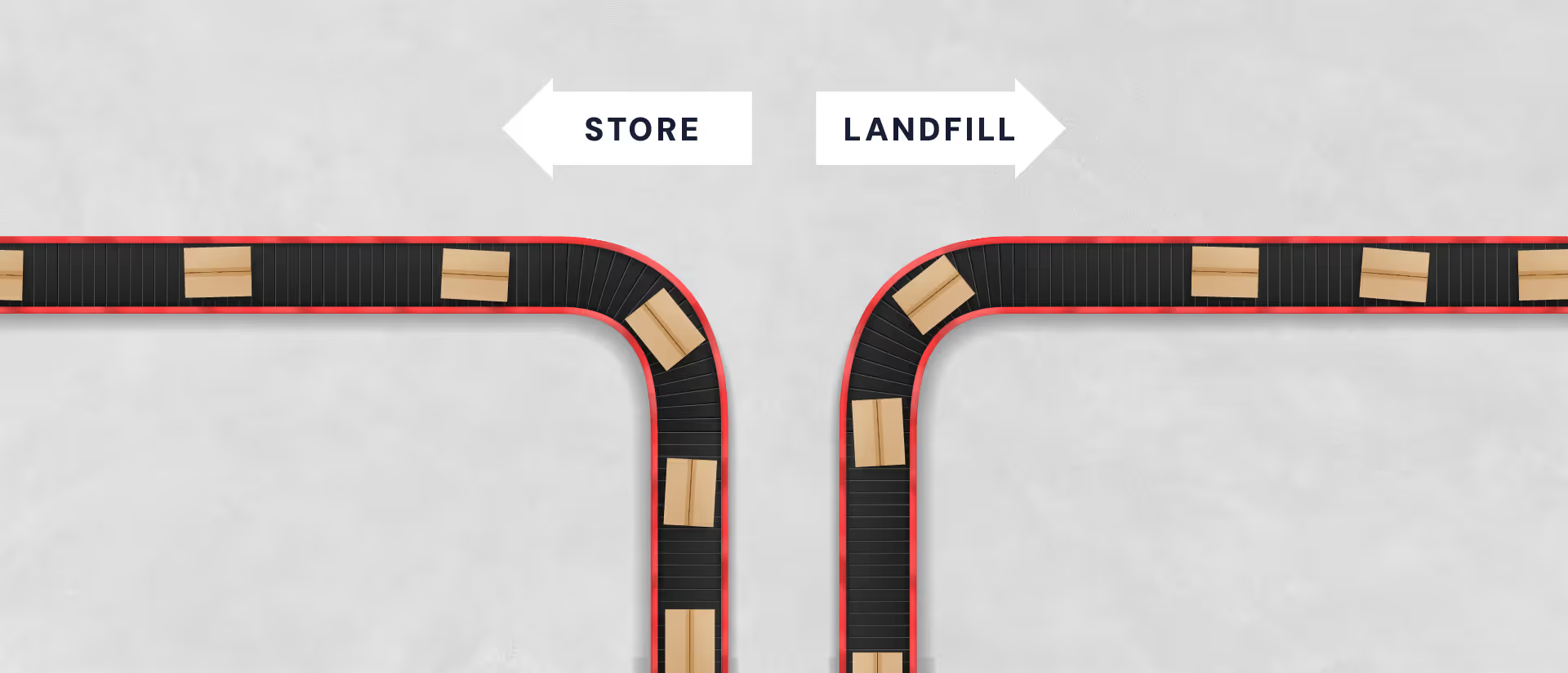
In the past, returned items often ended up in a landfill. Today, a streamlined returns process gives those products a second chance. By quickly inspecting and grading returned goods, you can identify what can be restocked, refurbished, or resold. This is where recommerce comes in. Instead of treating returns as waste, you can use ReCommerce services to route items to secondary marketplaces, recovering revenue that would have otherwise been lost. This approach not only creates a new income stream but also demonstrates a commitment to sustainability, a value that is increasingly important to modern consumers. It’s a win for your business and the planet.
How ReturnPro Streamlines Your Returns from Start to Finish
Putting all the pieces of a great returns process together is a tall order. You have to write a clear policy, build a smooth workflow, manage the logistics, and keep your customers in the loop. Instead of juggling multiple vendors and software, you can use a single partner to manage the entire lifecycle of a return. That’s where ReturnPro comes in. We integrate every step, from the moment your customer decides to send something back to when that item is resold.
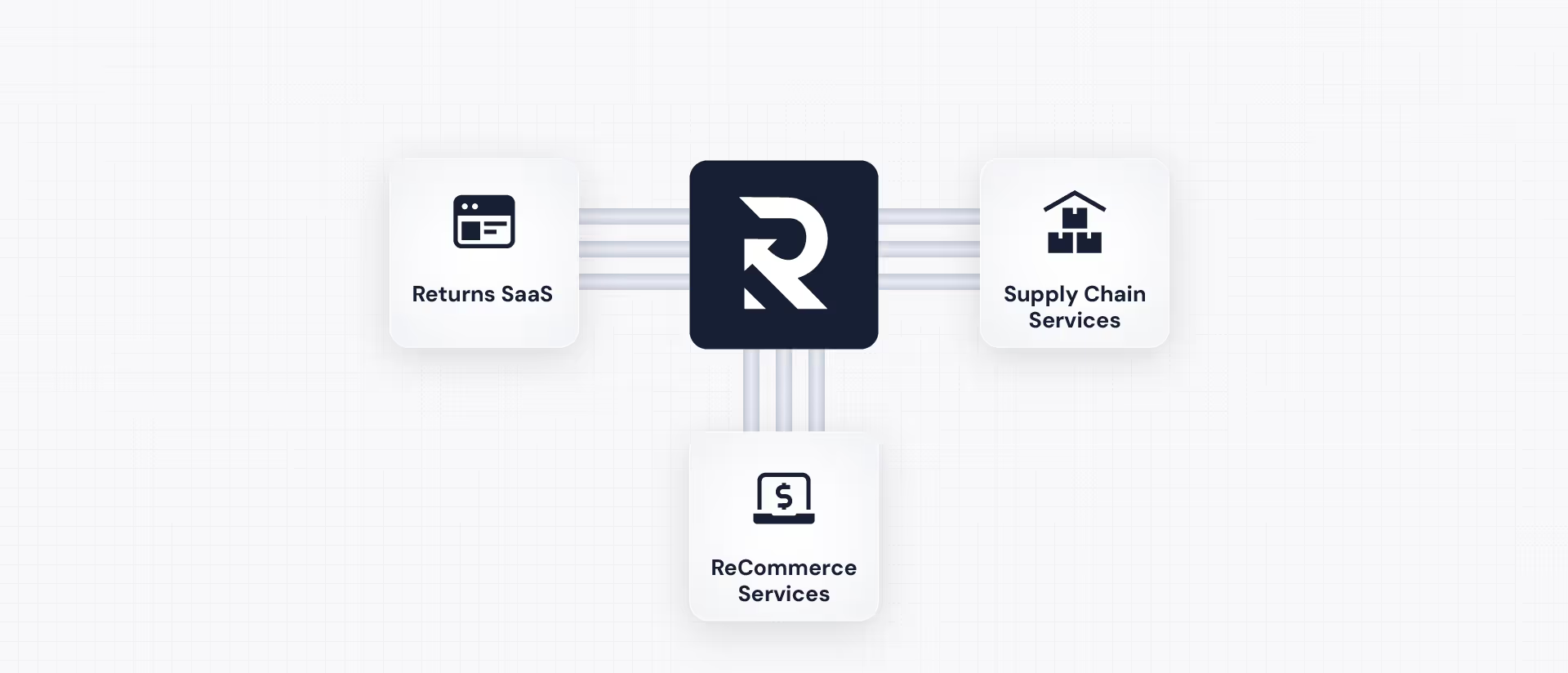
It all starts with a simple, brand-friendly experience for your customer. Our Returns SaaS platform gives your shoppers a self-service portal to initiate returns, print labels, and track their progress. This keeps them informed and cuts down on "Where is my refund?" inquiries. This kind of effective communication is essential for building trust and showing customers you value their business, even when a purchase doesn’t work out.
Once the return is on its way, our Supply Chain Services take over. Your items arrive at one of our specialized facilities where we handle the inspection, grading, and processing. This frees your team from the time-consuming work of opening boxes and sorting products. We process everything quickly and efficiently, so you can issue refunds or exchanges faster, leading to happier, more loyal customers.
But our work doesn't stop there. Instead of letting returned items collect dust in a warehouse corner, our ReCommerce Services focus on recovering their value. We prepare items for resale through various channels, turning what was once a cost center into a new source of revenue. By handling everything from the initial customer interaction to the final resale, ReturnPro provides a complete solution that saves you money, strengthens customer relationships, and makes your operations more sustainable.
Frequently Asked Questions
What's the single most important change I can make to my returns process right now? Start with your return policy. Before you think about software or workflows, focus on making your policy incredibly clear, simple, and easy to find on your website. This is your first line of defense. A straightforward policy that answers questions about timelines, conditions, and costs before a customer has to ask will solve a huge number of problems and prevent a lot of customer service headaches.
Do I have to offer free returns to keep customers happy? Not necessarily. While customers love the word "free," what they really crave is transparency and a lack of surprises. If you need to charge for return shipping, state it clearly and make the fee reasonable. Many customers are perfectly willing to cover a small, flat-rate shipping cost if the process is convenient. Offering flexible options, like a simple QR code drop-off, can often be more valuable to a customer than saving a few dollars on shipping.
My team is small. Won't adding new technology just create more work for us? It's a valid concern, but the right technology should feel like you've hired a new, incredibly efficient team member. The goal of automation is to take the repetitive, time-consuming tasks off your team's plate. Instead of manually approving returns and emailing labels, the software does it for you. This frees up your people to handle the complex situations that actually require human problem-solving, not just administrative work.
How can I start using data to reduce returns if I don't have a fancy system? You can start small and still get powerful insights. The next time you process a return, get specific about the reason. Create a simple spreadsheet with your product SKUs and start tallying the reasons for each return, like "too small" or "color not as expected." After a few weeks, you'll begin to see patterns emerge. This simple log is often all you need to identify a problem product or a misleading description.
What's the difference between just processing returns and having a 'recommerce' strategy? Processing returns is about logistics; it's the task of getting an item from a customer back to your warehouse. A recommerce strategy is about value recovery; it's the plan for what happens after that item arrives. Instead of viewing a returned product as a loss, recommerce focuses on giving it a second life by inspecting, grading, and reselling it. It’s a business-savvy approach that turns returned goods into a new source of revenue.