A customer return kicks off a chain of events that can either be a chaotic, costly mess or a smooth, value-adding process. The difference often comes down to how well you understand and execute two key functions: returns management and reverse logistics. While they sound similar, one is about keeping your customer happy and the other is about keeping your operations efficient. Returns management focuses on the policy, communication, and experience you provide your shopper. Reverse logistics is the entire operational pipeline for getting that product back and deciding its next best home. When these two areas are disconnected, you get bottlenecks, lost revenue, and frustrated customers. The right reverse logistics and returns management services bridge that gap, creating a seamless flow from start to finish.
Key Takeaways
- Know the difference between logistics and management: Reverse logistics covers the physical journey of a returned product, like shipping and sorting. Returns management is all about the customer's experience, including your policy and returns portal. You need a strong plan for both to succeed.
- Shift your mindset from cost to value: A smart returns process is more than a business expense; it's a chance to recover revenue, build customer loyalty, and meet sustainability goals. By giving returned items a second life, you turn a potential loss into a win for your brand.
- Use technology and partners to streamline your process: You don't have to manage returns with spreadsheets and manual effort. A centralized platform provides automation and data, while a specialized partner offers the expertise to create an efficient system that lets you focus on growing your business.
What Is Reverse Logistics?
Think of reverse logistics as the journey your products take when they travel backward, from a customer's doorstep back into your operations. It's the entire process of managing items after they've been sold and returned. While it starts with a customer return, it goes far beyond simply issuing a refund. The main goal is to recapture as much value as possible from that returned item, whether through resale, repair, or recycling.
This process is a critical part of the post-purchase experience and has a huge impact on your business. When handled well, it's not just about managing costs; it's an opportunity to improve customer loyalty, streamline your operations, and make your business more sustainable. A strong reverse logistics strategy helps you make smart decisions about every item that comes back, turning a potential loss into a win. The right set of solutions can transform this complex process into a competitive advantage for your brand.
How It Differs from Traditional Logistics
Traditional, or forward, logistics is all about moving products in one direction: from you to your customer. It's a predictable, streamlined process. Reverse logistics, on the other hand, is far more complex and unpredictable. Instead of shipping uniform pallets to a few distribution centers, you're receiving a wide variety of single items from thousands of individual customers, each with its own reason for return.
This complexity is why many businesses mistakenly view returns as just a cost center. But that mindset is changing. With a smart approach, your reverse supply chain can become a powerful tool for protecting your margins and even creating new revenue streams. By efficiently processing returns, you can turn potential losses into gains and reduce waste, making it a crucial part of a modern retail strategy.
The Reverse Logistics Lifecycle
The reverse logistics lifecycle kicks off the moment a customer decides to send something back. From there, a series of steps must happen to manage that item effectively. This isn't just about getting the product back to your warehouse; it's a multi-stage process that requires careful coordination.
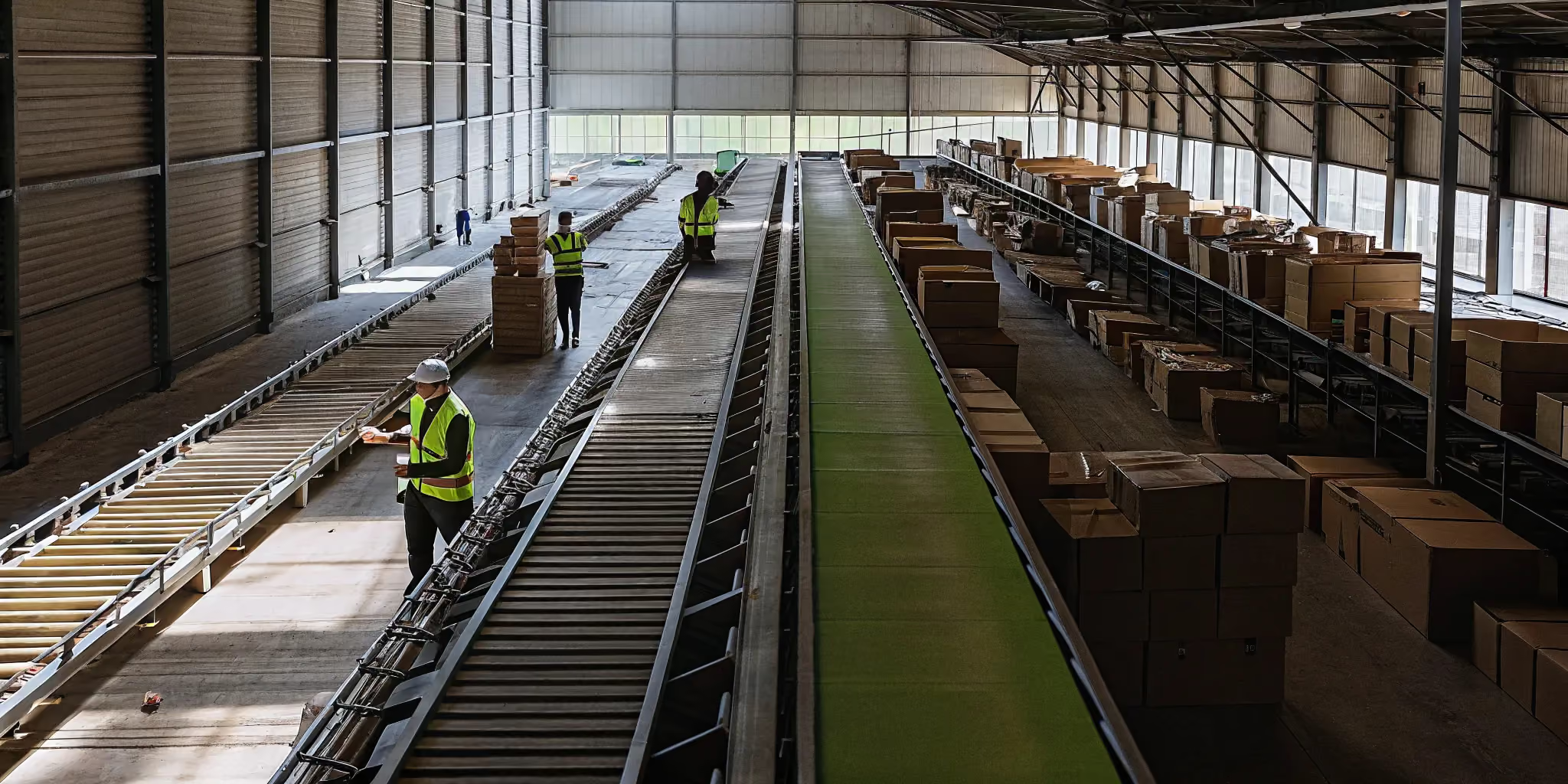
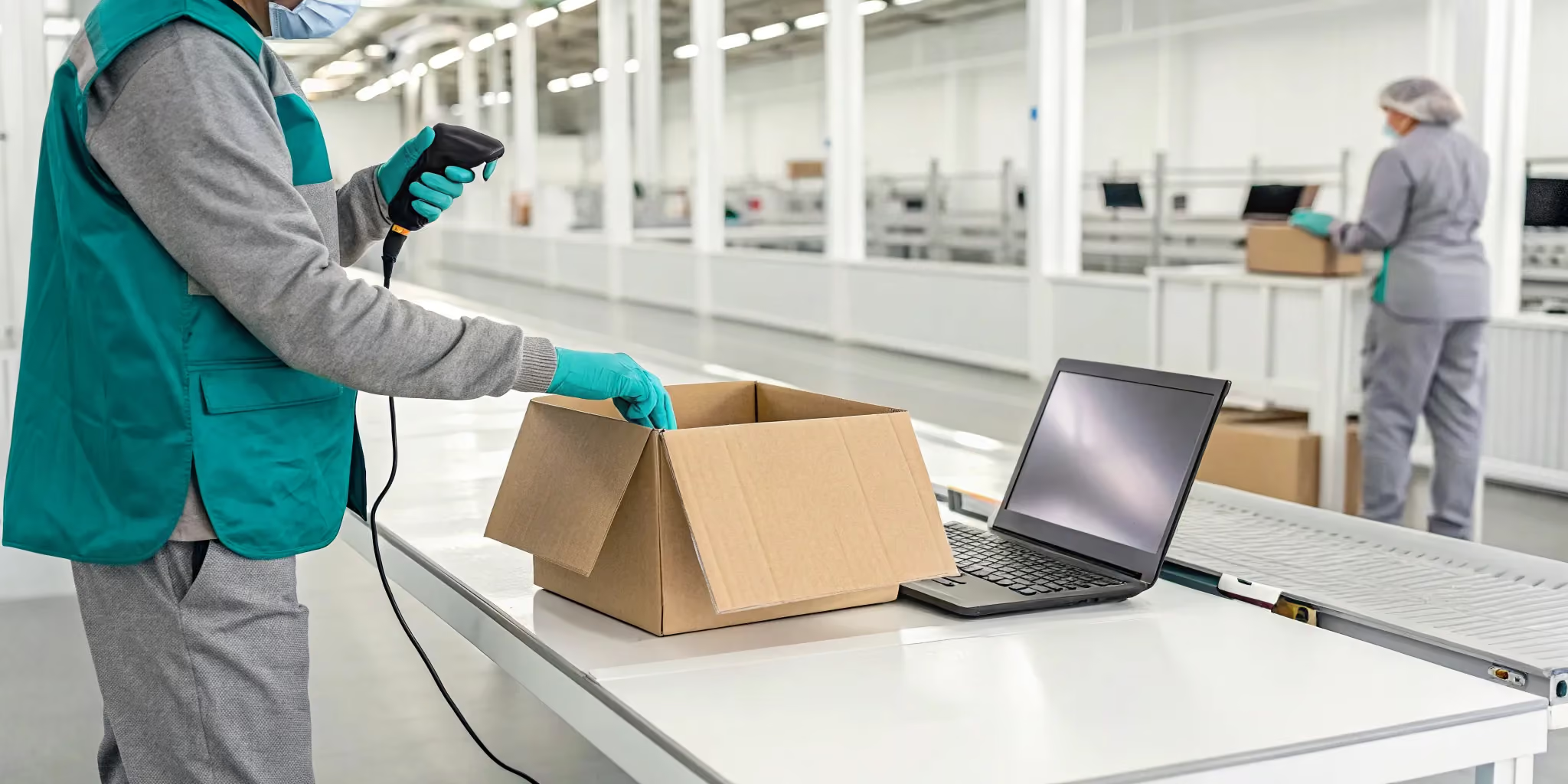
The journey includes several key activities: collecting the item from the customer, transporting it back to a processing facility, and then inspecting and sorting it based on its condition. After that, you have to decide on the product's final destination. Can it be restocked and sold as new? Does it need minor repairs? Or should it be resold on a secondary market? These supply chain services are the backbone of an efficient returns process, ensuring every item is handled in a way that recovers the most value.
What Is Returns Management?
Returns management is your game plan for everything that happens after a customer decides to send an item back. It's a critical piece of your supply chain that covers the entire journey of a returned product, from the moment a customer initiates a return to its final destination, whether that's back on the shelf, sent for refurbishment, or recycled. Think of it as the operational playbook for handling returns efficiently and effectively.
An effective returns management system does more than just process refunds. When done right, it becomes a powerful tool for building customer trust and loyalty. A smooth, hassle-free return experience can turn a potentially negative situation into a positive one, encouraging customers to shop with you again. At the same time, a smart process helps your business recover value from returned goods instead of just writing them off as a loss. It's about creating a win-win scenario where customers feel supported and your business protects its bottom line.
Core Components of an Effective Returns Process
A great returns process is built on a few key pillars that work together to create a seamless experience for both you and your customers. First, it all starts with a clear and easy-to-find return policy. This document sets expectations about refunds, exchanges, and shipping costs, which helps protect your business while preventing customer confusion. Next is efficient processing. Once an item arrives, it needs to be inspected, sorted, and routed quickly to minimize delays. Finally, strong communication keeps customers informed and happy, while solid data management helps you track return reasons to identify product or listing issues you can fix.
How It Fits Within Reverse Logistics
It's helpful to think of returns management as a specialized function within the larger field of reverse logistics. Reverse logistics covers the entire backward journey of products and materials from the end consumer to the point of origin or disposition. This includes not just customer returns but also things like repairs, recalls, and end-of-life recycling. Returns management is the specific part of this reverse supply chain that deals directly with items customers send back. By perfecting this component, you transform what many see as a cost center into a strategic asset that improves your entire post-purchase experience.
Reverse Logistics vs. Returns Management: What's the Difference?
People often use the terms "reverse logistics" and "returns management" interchangeably, but they actually refer to two distinct, though connected, parts of your post-purchase process. Getting clear on the difference is the first step toward building a returns strategy that keeps customers happy and protects your bottom line.
Think of reverse logistics as the entire operational pipeline for items moving backward through your supply chain. It's the big-picture process that covers a product's complete journey from the customer back to your business. This includes all the physical steps: collecting the item, transporting it to a warehouse, inspecting it, sorting it, and deciding its next destination, whether that's restocking, repairing, or recycling. The primary goal is to efficiently manage product returns to recover as much value as possible and reduce waste. It's the complex, behind-the-scenes engine that handles the physical flow of goods.
Returns management, on the other hand, is the customer-facing piece of that puzzle. It's all about creating a simple and positive experience for your shopper. This covers your return policy, the portal they use to initiate a return, the communication they receive, and how quickly they get their refund or exchange. While reverse logistics handles the "where does the item go?", returns management focuses on the "how does the customer feel?" It's the first and most critical touchpoint in the returns journey. A great strategy needs both: a seamless returns process for your customers and a powerful reverse logistics engine on the back end. When these two work together, returns stop being just a cost and start becoming an opportunity to build loyalty and recover revenue.
Why a Smart Returns Strategy Matters
For a long time, returns were seen as a necessary evil, a cost of doing business that you just had to accept. But thinking about returns this way leaves money on the table and can even hurt your brand. A smart returns strategy does more than just process refunds; it transforms your post-purchase experience into a powerful tool for growth. When you handle returns with intention, you can create new revenue streams, streamline your operations, and build stronger relationships with your customers. It's about shifting your perspective from seeing returns as an endpoint to seeing them as a new beginning for your products and your customer relationships.
This isn't just a back-office cleanup job anymore. How you manage returns is a direct reflection of your brand and has become a strategic part of the supply chain. With ecommerce growing and customer expectations higher than ever, a thoughtful approach is essential. Getting it right means you can lower costs, make customers happier, and operate more sustainably. Getting it wrong means losing revenue, creating logistical headaches, and damaging your reputation. A well-defined returns process is your opportunity to turn a potential problem into a competitive advantage.
Recover Revenue from Returned Inventory
A returned item doesn't have to be a lost sale. With the right process, many returns can be put back into your inventory and resold. For items that aren't in perfect condition, a thoughtful strategy can still turn returns into revenue. Instead of ending up in a landfill, a product can begin a new journey in a secondary market, extending its life and recovering value. This could mean anything from minor repairs and repackaging to selling items to liquidators. By evaluating each return, you can find the best possible path for every product, making sure you capture as much value as possible instead of writing it off as a loss.
Reduce Operational Costs
Without a clear plan, returns can quickly become a logistical and financial drain. Products pile up, team members spend too much time on manual processing, and shipping costs can spiral. An efficient returns process brings order to this chaos. By using automation and clear workflows, you can manage returns effectively and cut down on unnecessary expenses. This has become a key factor in overall operational performance. A streamlined system not only saves money on labor and shipping but also gets products processed faster, whether they are going back on the shelf or to a recommerce partner. Our Supply Chain Services are designed to create these efficiencies for you.
Improve Customer Satisfaction and Loyalty
A difficult returns process can sour a great shopping experience and stop a customer from ever coming back. On the other hand, a simple and transparent return policy builds trust and gives shoppers the confidence to make a purchase. In fact, a majority of online shoppers check return policies before they even decide to buy. When you make returns easy, you're telling your customers that you stand behind your products and value their business. This positive experience often leads to repeat purchases and turns first-time buyers into loyal fans who feel secure shopping with you again and again.
Meet Sustainability Goals
Today's consumers care about the environmental impact of their purchases, and your returns process plays a big role in your company's footprint. A smart strategy helps you reduce waste by keeping products out of landfills. Instead of automatically discarding returned items, you can find ways to give them a second life through repair, refurbishment, or resale. This approach contributes to a more circular economy, where materials are reused instead of thrown away. By adopting sustainable returns practices, you not only do right by the planet but also build a brand that environmentally conscious shoppers are proud to support.
Common Challenges in Reverse Logistics
Getting a handle on reverse logistics is a game-changer, but it's not always a walk in the park. Many brands run into the same roadblocks when trying to build an efficient returns process. These challenges aren't just minor headaches; they can directly impact your revenue, customer loyalty, and operational sanity. Understanding these common hurdles is the first step toward creating a strategy that turns returns from a problem into a profitable part of your business. Let's look at the four biggest challenges you're likely to face.
High Return Volumes and Processing Bottlenecks
As your business grows, so does the number of returns. This isn't just a side effect of success; it's a permanent part of the modern retail landscape. With more packages coming back, your team can quickly become overwhelmed, leading to serious processing bottlenecks. A pile of returns sitting in a corner of your warehouse means delayed refunds for customers and valuable products losing their resale value every day. Managing this influx efficiently is key, as your ability to handle returns can become a real competitive advantage. If your process is slow and clunky, you risk frustrating customers and losing out on the chance to get perfectly good inventory back on the shelf.
Gaps in Inventory Tracking and Visibility
The journey a product takes back to your warehouse is often more complex than its original trip to the customer. This complexity in the reverse supply chain creates major gaps in inventory tracking. Do you know exactly where a returned item is at any given moment? Can you predict when it will be ready for resale? For many businesses, the answer is no. This lack of visibility leads to inaccurate inventory counts, misplaced products, and missed opportunities to recover value. Without a clear view of your returned inventory, you're essentially making decisions in the dark, which can cost you dearly in lost sales and operational waste.
Return Fraud and Policy Abuse
Let's talk about the elephant in the room: return fraud. This includes everything from "wardrobing" (wearing an item once and returning it) to returning stolen merchandise for a refund. Because many leaders treat returns as a pure cost center, they often under-invest in the tools needed to spot and prevent this kind of abuse. A lenient return policy is great for honest customers, but it can also open the door for bad actors. Without systems to flag suspicious activity, you could be losing significant revenue. Striking the right balance between a customer-friendly policy and one that protects your bottom line is a major challenge for retailers of all sizes.
Resource Limitations and When to Outsource
Managing returns effectively requires dedicated space, technology, and staff, resources that are often in short supply. Your team is likely already busy focusing on growth, marketing, and forward logistics. Adding the complexities of reverse logistics to their plate can stretch them too thin and pull focus from core business activities. This is where partnering with a specialist can make a world of difference. By outsourcing, you can tap into expert knowledge and cutting-edge tools without making a huge internal investment. A dedicated returns management provider has the infrastructure and experience to handle the entire process, freeing you up to focus on what you do best: growing your brand.
Common Misconceptions About Returns
Let's be honest, the word "returns" can make any retailer cringe. It often brings to mind lost sales, extra work, and unhappy customers. For a long time, businesses have treated returns as a necessary evil, a problem to be minimized rather than a process to be optimized. But what if I told you that this perspective is holding you back? Many of the common beliefs about returns are based on outdated thinking and can prevent you from finding the hidden opportunities in your reverse logistics.
Thinking of returns as just a cost center or a logistical headache is a missed opportunity. A modern, strategic approach can turn them into a powerful tool for building customer loyalty, recovering revenue, and even supporting your sustainability goals. It's time to challenge those old assumptions and see returns for what they can be: a valuable part of your business strategy. Let's bust a few of the most common myths together, so you can start shifting your perspective and your process. By understanding what returns are not, you can better grasp what they can become.
Myth: Returns Are Just a Cost Center
The most persistent myth is that returns are nothing more than a line item in the expense column. While it's true that processing returns costs money, viewing them solely as a financial drain is a narrow and outdated perspective. As e-commerce grows and customer expectations change, reverse logistics has become a strategic capability. A well-managed returns process is no longer just a back-office task; it's a critical function that protects your margins and service levels.
Instead of just being a cost, an efficient returns system can be a competitive advantage. It can improve customer satisfaction, encourage repeat purchases, and provide valuable data about your products. By optimizing the process, you can reduce waste and recover value from returned items, turning a potential loss into a gain. The key is to shift from a mindset of cost mitigation to one of value creation.
Myth: Returned Products Are Unsellable
Do you picture a mountain of damaged, useless goods when you think of returns? It's easy to assume that once a product comes back, its journey is over. But in reality, a returned item is often just beginning a new chapter. Many products are returned in pristine, unopened condition. Others may have minor cosmetic flaws or simply need repackaging to be resold.
These items don't have to end up in a landfill. Instead, they can be routed into a secondary market, extending their life and creating a new revenue stream for your business. This is the core idea behind ReCommerce services, which focus on reselling, refurbishing, or recycling returned inventory. By giving products a second life, you not only recover revenue but also make a positive impact on the environment.
Myth: It's Only an E-commerce Problem
With the boom in online shopping, it's easy to associate returns primarily with e-commerce. While online retailers certainly deal with high return volumes, the challenge is by no means exclusive to them. Reverse logistics is a universal business concern that affects any company selling a physical product, whether online, in-store, or through B2B channels.
The core goal of reverse logistics is to manage the flow of goods from the consumer back to the seller or manufacturer in a way that maximizes value and minimizes waste. This applies just as much to a customer returning a shirt to a physical store as it does to an online order being shipped back to a warehouse. Every business needs a strategy for handling returns efficiently and sustainably, regardless of how they sell their products.
Myth: It Doesn't Require Team Collaboration
Because returns happen at the end of the customer journey, some businesses make the mistake of isolating the process within a single department, like the warehouse or customer service. This siloed approach is a recipe for inefficiency and missed opportunities. Effective returns management requires a coordinated, cross-functional effort.
As experts from Supply Chain Now discuss, turning returns into a value driver depends on collaboration. Your customer service team needs to communicate clearly with logistics, your marketing team needs to understand why products are coming back, and your finance team needs visibility into the costs and revenues generated. Partnerships with third-party providers can also be crucial. When everyone works together, you can create a seamless process that benefits both your business and your customers.
The Tech That Powers Modern Returns Management
Gone are the days of managing returns with spreadsheets and sticky notes. Today, technology is the engine behind any successful reverse logistics strategy. The right software doesn't just process returns; it transforms them into a source of value and intelligence for your entire business. From the moment a customer clicks "start a return" to the final destination of that product, technology provides the automation, data, and control you need to run an efficient, profitable, and sustainable operation. Let's look at the key pieces of tech that make this possible.
Intelligent Routing and Automation
Imagine deciding the best path for a returned item before it even leaves the customer's hands. That's the power of intelligent routing. Instead of every return landing in the same warehouse for manual sorting, automation software uses data-driven rules to direct each item to its most profitable destination. The system can instantly route a high-demand product back to stock, send a slightly used item to a recommerce channel, or flag a damaged product for recycling. This automated decision-making saves countless hours of labor and ensures you recover the most value from every single return.
Fraud Detection and Prevention
Return fraud, like "wardrobing" or returning a different item than the one purchased, can quietly eat away at your profits. Modern returns technology acts as your first line of defense. AI-powered systems can analyze customer behavior and return patterns to flag suspicious activity in real time. For example, the software can identify accounts with unusually high return rates or flag returns that don't match the original purchase. This allows you to intervene when necessary while keeping the process smooth for your honest customers. It's a smart way to mitigate fraud without creating unnecessary friction.
Data Visibility and Analytics
You can't improve what you can't measure, and that's especially true for returns. A modern returns platform gives you complete data visibility, turning your reverse logistics into a source of powerful business insights. You can track return rates by product, see common reasons for returns (like "wrong size" or "not as described"), and identify trends over time. This information is invaluable. It helps your merchandising team spot product quality issues and allows your marketing team to refine product descriptions, ultimately reducing future returns and improving the overall customer experience.
Sustainability Tracking and Material Reuse
As customers increasingly favor eco-conscious brands, a sustainable returns process is more important than ever. Technology makes it possible to track the journey of every returned item and prioritize its reuse. Instead of defaulting to the landfill, software can help you route products to be resold, refurbished, donated, or recycled. This approach not only helps you meet your sustainability goals but also opens up new revenue streams. By giving returned products a second life, you can turn returns into revenue and build a more circular, responsible business model.
How to Optimize Your Reverse Logistics Process
Turning your returns process into a well-oiled machine doesn't happen by accident. It requires a thoughtful approach that combines smart technology, clear policies, and a deep understanding of your products and customers. Optimizing your reverse logistics isn't just about handling returns faster; it's about transforming a cost center into a strategic asset that can recover revenue, build customer loyalty, and support your sustainability goals. By focusing on a few key areas, you can create a system that works for you, not against you. Let's walk through the actionable steps you can take to streamline your process from start to finish.
Centralize and Automate Your Returns
If your team is managing returns through scattered spreadsheets and long email chains, you're likely leaving money and efficiency on the table. A manual, decentralized process is often slow, prone to errors, and creates frustrating bottlenecks for both your team and your customers. The first step toward optimization is to bring everything into one place with a centralized system.
Automating your returns process is the next step. With the right Returns SaaS, you can set up rules to automatically approve returns, generate shipping labels, and send status updates to customers. This frees up your team from repetitive tasks and ensures a consistent, professional experience. As returns evolve from a back-office chore to a strategic capability, having an efficient, automated system becomes a key factor in your overall operational performance.
Use Data to Make Smarter Decisions
Every return tells a story. Are customers consistently sending back a particular sweater because the sizing is off? Is a specific product arriving damaged more often than not? Without data, these are just guesses. With data, they become actionable insights that can save your business money and improve the customer experience. Your returns process is a goldmine of information about product quality, marketing accuracy, and customer behavior.
Instead of relying on notepads and guesswork, modern returns management uses data to drive intelligent decisions. Algorithms can help you make the smartest choice for a returned item the moment a customer initiates the process, whether that's routing it to the closest warehouse, directing it to a refurbishment center, or marking it for resale. This data-driven approach also helps identify patterns of return fraud, protecting your bottom line. By using recommerce services, you can turn these insights into revenue.
Refine Your Return Policies Regularly
Your return policy is one of the most important documents on your website, but it shouldn't be set in stone. As your business grows and customer expectations change, your policy needs to adapt. A great return policy strikes a careful balance: it should be clear, fair, and easy for customers to understand, while also protecting your business from unnecessary losses and policy abuse.
Take time to review your policy and the data from your returns. If you see a lot of returns for a specific reason, maybe a policy tweak or a product page update is in order. Consider offering flexible options like exchanges or store credit to retain revenue. Refining your policy is also a chance to align it with your company's values, especially around sustainability. By making it easier to give returned items a second life, your policy can become a powerful tool for reducing waste.
Partner with the Right Returns Provider
Let's be honest: building and managing a world-class reverse logistics operation is a huge undertaking. It requires specialized expertise, significant investment in technology, and the physical space to process everything. For many businesses, trying to do it all in-house just isn't feasible. This is where a specialized partner can make all the difference.
By working with a returns provider, you gain access to their knowledge, established best practices, and powerful tools without the massive upfront investment. The right partner doesn't just handle logistics; they act as an extension of your team, providing an integrated solution that covers everything from the customer-facing returns portal to the final resale of an item. When you choose a comprehensive returns management solution, you can focus on what you do best: growing your business.
Types of Returns Management Solutions
Once you decide to bring in a partner, you'll find a few different types of solutions available. Each one addresses a different piece of the returns puzzle, from customer-facing software to the physical handling of goods. Understanding these options will help you find the right fit for your business needs, whether you're looking for a specific tool or a complete, end-to-end system.
Integrated Platforms like ReturnPro
Think of an integrated platform as your all-in-one returns command center. These platforms combine software, physical logistics, and recommerce into a single, streamlined system. Instead of juggling multiple vendors, you get one partner that manages the entire post-purchase experience. With an integrated solution, you can use intelligent algorithms to route a return at the moment the customer initiates it, making smarter decisions from the very first click. This approach connects every dot, giving you total visibility and control over the process from start to finish.
Standalone Returns SaaS
Standalone Software-as-a-Service (SaaS) solutions focus on the digital side of returns. These tools typically provide a branded, customer-facing returns portal and automate communications like return status updates. They help make the returns process a more strategic part of your operations by creating a smoother experience for your customers. While a Returns SaaS provider is great for managing the front-end process, you will likely need to handle the physical logistics and resale of returned items yourself or by hiring other partners. This option is best if you already have a strong logistics operation in place.
Supply Chain Service Providers
Supply chain service providers are the experts in moving, sorting, and processing physical goods. These partners, often called third-party logistics (3PL) providers, handle the hands-on work of receiving returns, inspecting them, and getting them ready for their next step. By partnering with them, you can tap into their expertise and infrastructure without making a huge internal investment. These supply chain services are essential for managing the flow of returned inventory, especially as your business grows and return volumes increase.
ReCommerce Service Providers
What do you do with all your returned items? That's where recommerce service providers come in. These partners specialize in finding a second life for returned and excess inventory, helping you recover revenue while reducing waste. They manage the process of reselling products through various channels, such as secondary marketplaces, outlet sites, or even donation programs. Using ReCommerce services is a smart way to turn what could be a total loss into a positive outcome for your bottom line and your sustainability goals.
How to Choose the Right Returns Management Partner
Choosing a returns management partner is a big decision that goes way beyond just finding someone to handle boxes. The right partner becomes an extension of your team, helping you transform returns from a headache into a strategic advantage. They can help you recover revenue, delight customers, and operate more efficiently. As you evaluate your options, it's important to look past the basic services and focus on a few key areas that will determine the long-term success of the partnership. Consider their ability to scale, their technology, their approach to sustainability, and the quality of their data insights.
Scalability and Flexibility
Your business isn't static, and your returns partner shouldn't be either. Look for a solution that can scale with you, whether that means handling the post-holiday return rush or supporting your growth into new markets. A rigid, one-size-fits-all approach just won't cut it. Your partner should offer the flexibility to adapt to your unique workflows and business rules. As customer expectations and e-commerce volumes continue to rise, an efficient and scalable returns process becomes a true competitive advantage. Make sure you're choosing a partner who can keep up with your momentum and help you prepare for what's next, not just what's happening today.
Technology and Integration Capabilities
Gone are the days of managing returns with spreadsheets and manual data entry. A modern returns partner should be powered by smart technology that automates and simplifies the entire process. Look for a platform with features like intelligent routing, which automatically directs a returned item to its next best home (resale, refurbishment, or recycling) the moment a customer initiates a return. Your partner's system should also integrate seamlessly with your existing tools, like your ecommerce platform and inventory management system. This creates a connected ecosystem that reduces manual work for your team and provides a smooth experience for your customers. A strong returns software foundation is critical for making data-driven decisions.
ReCommerce and Sustainability Options
A great returns partner sees returned products as an opportunity, not a loss. Ask potential partners about their recommerce services and how they can help you recover value from open-box and used items. This could involve refurbishing products for resale, listing them on secondary marketplaces, or breaking them down for parts. This approach not only creates a new revenue stream but also supports your sustainability goals by giving items a second life. The main goal of reverse logistics is to maximize the reuse of materials and reduce waste, a mission that resonates deeply with today's conscious consumers. Your partner should help you turn your returns into a story of value and responsibility.
Reporting and Analytics
You can't improve what you don't measure. A top-tier returns partner will provide you with clear, actionable analytics that give you a complete picture of your returns operation. You need access to data on why customers are returning items, which products have the highest return rates, and how returns are impacting your bottom line. These insights are invaluable. They help you identify product quality issues, refine your return policies, and understand customer behavior more deeply. With the right data, you can turn a potential loss into a gain by making smarter, more informed decisions across your entire business.
Frequently Asked Questions
What's the simplest way to understand the difference between reverse logistics and returns management? Think of it this way: returns management is what your customer sees and interacts with. It's your return policy, the online portal they use, and the emails they receive. It's all about creating a smooth, positive customer experience. Reverse logistics is the entire behind-the-scenes operation. It's the physical journey of the product: shipping it back, inspecting it, sorting it, and deciding if it can be resold, repaired, or recycled. Returns management is the front door, and reverse logistics is the entire factory behind it.
My returns process feels chaotic. What's the first step I should take to improve it? The most impactful first step is to centralize your process. If you're currently juggling spreadsheets, email threads, and manual notes, your first goal should be to bring everything into a single, unified system. This gives you a clear view of every return in one place. A centralized platform helps you automate repetitive tasks, reduce errors, and give your team a clear, consistent workflow. It creates the foundation you need to make any other improvements.
How can a better returns process actually help me make money instead of just costing me? A smart returns process creates revenue in two key ways. First, it gets products that are in perfect, resalable condition back into your inventory and available for sale much faster, preventing lost sales. Second, for items that are opened or slightly used, it creates a path to recover value through recommerce. Instead of writing these items off, a good system helps you resell them on secondary markets, turning what would have been a loss into a new source of income.
When should I consider outsourcing my returns instead of handling them myself? You should start thinking about a partner when returns begin to pull your team away from core business activities, like marketing and product development. If your warehouse is getting crowded with unsorted returns, your staff is stretched thin, or you lack the technology to manage it all efficiently, it's a strong sign that it's time to outsource. A dedicated partner has the expertise, space, and technology to manage returns effectively, freeing you up to focus on growing your brand.
What's the difference between a standalone software tool and an integrated platform like ReturnPro? A standalone software tool is great for handling the digital, customer-facing part of returns, like creating a returns portal and automating emails. However, you are still responsible for the physical logistics, like receiving, inspecting, and reselling the items. An integrated platform handles the entire process from end to end. It combines the software with the physical supply chain services and recommerce, so one partner manages the item's complete journey from the customer's initial click to its final destination.