A customer buys a pair of shoes from your website but wants to return them to your brick-and-mortar store. When they arrive, your staff tells them it’s against policy. In that single moment of friction, a loyal customer can be lost for good. This scenario is an all-too-common side effect of multichannel selling. While expanding your sales channels is great for growth, it often creates a disjointed and frustrating returns process. This guide will show you how to manage multi channel returns to create a seamless, consistent experience that builds trust and keeps customers coming back, turning a potential point of conflict into a powerful retention tool.
Key Takeaways
- Build Trust with a Unified Policy: Stop confusing customers with different rules for each channel. A single, clear returns policy that applies everywhere you sell, from your website to your physical stores, creates a consistent and trustworthy brand experience.
- Make the Process a Retention Tool: A smooth return is a powerful way to keep customers coming back. By offering convenient options, providing proactive status updates, and making the experience hassle-free, you turn a potential loss into a moment that strengthens customer loyalty.
- Use Technology to Simplify and Learn: Manually managing returns is inefficient and costly. A centralized returns platform automates the process to save time and money while also collecting valuable data on why items are returned, giving you the insights needed to improve products and reduce future returns.
What Are Multichannel Returns?
Let's break down what multichannel returns really mean. Simply put, it’s when your customers can return products through various channels, regardless of where they originally made the purchase. Think of a customer who buys a dress from your website but returns it to your physical storefront. Or someone who buys an item in-store and mails it back to your warehouse. That’s a multichannel return in action. As shopping has expanded across online stores, physical locations, and social media, customers now expect the returns process to be just as flexible. A disconnected or difficult return experience can sour a customer on your brand for good, which is why getting your returns management solutions right is so critical.
Multichannel vs. Single-Channel Returns
In a single-channel model, the return path is rigid. If a customer buys online, they must return it by mail. If they buy in-store, they have to go back to a store. It’s a simple but very restrictive process. Multichannel returns break down these walls. This strategy gives customers options, allowing them to choose the most convenient way to return an item. For example, they can return an online purchase to a physical store, which is a popular option known as BORIS (Buy Online, Return In-Store). This flexibility meets customers where they are and removes a major point of friction from the post-purchase experience.
Why a Multichannel Strategy Matters
A flexible returns strategy isn't just a nice-to-have; it's a powerful tool for building customer loyalty. When you make returns easy, you show customers you value their business and respect their time. This convenience can be the deciding factor that keeps them coming back. Instead of viewing returns as a loss, think of them as a second chance to impress. A smooth, positive return experience can turn a potentially negative situation into a moment that strengthens your customer relationships. This is why ReturnPro focuses on transforming the post-purchase journey into an opportunity for retention, not just a logistical task.
Common Challenges in Multichannel Returns
Selling across multiple channels is a fantastic way to meet your customers where they are, but it can turn your returns process into a tangled mess. When you’re juggling returns from your website, physical stores, and various marketplaces, a few common problems tend to pop up. These challenges can do more than just cause headaches; they can eat into your profits and damage customer trust. Let's break down the most frequent hurdles you'll face.
Inconsistent Policies
Nothing frustrates a customer faster than confusing and inconsistent rules. If your online store has a 30-day return window but your physical locations only offer 14 days, you create a disjointed experience. Customers expect a seamless process, regardless of where they made the purchase. When they buy an item online and try to return it in-store, they don’t want to be told, “We can’t do that here.” This inconsistency can lead to unhappy shoppers, negative reviews, and lost future sales. A unified return policy is the foundation of a trustworthy multichannel brand.
Complex Inventory and Restocking
When returns come in from every direction, keeping track of your inventory can feel impossible. An item bought online might be returned to a retail store, but does that store have a process to get it back into your ecommerce stock? Without a centralized system, returned products can get stuck in limbo, leading to inaccurate inventory counts. This means you might miss out on sales for an item you technically have, or a product could sit in a back room losing value. Efficiently managing your supply chain is crucial to getting those items inspected and restocked quickly.
High Costs and Inefficiencies
Let’s be direct: returns are expensive. You have shipping costs, labor for processing, and the potential depreciation of the item’s value. When you’re managing returns across different channels without a streamlined process, these costs multiply. You might have separate teams handling returns for each channel, leading to redundant work and operational bloat. These inefficiencies aren't just minor annoyances; they directly impact your bottom line. Finding ways to reduce these costs is essential for protecting your profit margins and ensuring your business stays healthy and competitive.
Lack of Visibility
Where is the return? It’s a simple question that can be incredibly hard to answer in a multichannel setup. For the customer, waiting for a refund without any updates is frustrating. For your team, not knowing where an item is in the return journey makes it impossible to provide good service or manage inventory. This lack of visibility can lead to lost items, processing delays, and an increase in customer support tickets. A returns management platform gives both you and your customers a clear view of the entire process, from the moment a return is initiated to the moment it’s resolved.
Create a Unified Multichannel Returns Policy
A customer buys a shirt online and wants to return it at your brick-and-mortar store, only to be told it’s against policy. This kind of disconnect is frustrating for everyone and can damage your brand's reputation. The first step to fixing this is creating a single, unified returns policy that applies across every channel you sell on. A consistent policy eliminates customer confusion, simplifies training for your team, and builds a foundation of trust. When customers know what to expect, they feel more confident making a purchase, no matter where they are shopping. This isn't just about rules; it's about creating a seamless brand experience.
Standardize Your Return Rules
Your return window, refund options, and condition requirements should be the same whether a customer bought an item online, in-store, or on a third-party marketplace. If you offer a 30-day return window for online purchases, the same should apply to in-store sales. This consistency prevents customer frustration and makes life easier for your support staff, who won't have to memorize different rules for different channels. Standardizing your rules creates a predictable and fair experience that customers appreciate. It simplifies your internal operations and ensures every customer receives the same level of service, which is a quiet but powerful way to build brand loyalty.
Communicate Your Policy Clearly
A great policy is useless if no one can find it or understand it. Your returns policy should be written in simple, straightforward language, avoiding jargon that could confuse customers. Make it easy to find by placing links in your website footer, on product pages, and within order confirmation emails. A transparent and accessible policy manages customer expectations from the start, reducing the number of support tickets you receive. Using a Returns SaaS platform can help you display your policy clearly within a branded, self-service returns portal, ensuring customers have the information they need right at their fingertips.
Balance Customer Flexibility with Your Operations
Customers love the convenience of multichannel shopping, and they expect the same flexibility when it comes to returns. Offering options like "buy online, return in-store" can be a huge competitive advantage. However, this flexibility requires your backend systems to be perfectly in sync. Your inventory, sales, and customer data must be integrated across all channels to avoid operational headaches. The key is to find a sweet spot that delights your customers without overwhelming your team. Implementing integrated returns management solutions ensures that you can offer these flexible options smoothly, turning a complex process into a seamless experience.
How to Streamline Your Multichannel Returns Process
Once you have a clear policy, the next step is to build a process that’s smooth, efficient, and consistent across all your channels. Juggling returns from your website, physical stores, and third-party marketplaces can feel chaotic, but it doesn’t have to be. The key is to create a unified system that works for both your team and your customers. A streamlined process reduces operational headaches, lowers costs, and turns a potentially negative experience into a reason for customers to shop with you again. Here are the practical steps you can take to make that happen.
Centralize Your Returns Management
If your returns data is scattered across different spreadsheets and platforms, you’re creating unnecessary work for your team. The most effective way to streamline your process is to use one main system to manage all return information, no matter where the item was purchased. Centralizing your returns management gives you a single source of truth, allowing your team to see every return request, track its status, and process refunds or exchanges quickly. This not only speeds things up but also ensures data consistency, reduces human error, and provides valuable insights into why customers are making returns in the first place.
Use a Return Merchandise Authorization (RMA) System
An RMA system is your first line of defense against disorganized returns. It’s a simple process that requires customers to request and receive authorization before sending an item back. This step is crucial for a few reasons. First, it helps you validate the return against your policy and ensures the item is eligible. Second, it allows you to track the return from the moment the request is made until it arrives at your facility. This visibility helps you manage customer expectations with accurate updates and prepares your warehouse team for incoming inventory, making the entire process more predictable and efficient.
Offer Flexible Return Options
Today’s customers expect convenience, and that extends to how they make returns. Offering flexible options is a powerful way to improve the customer experience. Allow shoppers to buy online and return in-store (BORIS), or provide multiple mail-in choices, like a pre-printed label or a QR code they can show at a carrier location. The goal is to make returning an item as easy as buying it. When you remove friction from the process, you show customers you value their time. This small convenience can be a major factor in their decision to shop with you again.
Optimize Reverse Logistics
Getting an item from your customer back to your warehouse is a journey known as reverse logistics, and it can get messy and expensive without a good plan. Optimizing your reverse logistics is about making this process as efficient and cost-effective as possible. This includes everything from how items are shipped back to how they are received, inspected, and sorted. A well-run system can help you consolidate shipments to save on costs, quickly identify items that can be resold, and get them back into your inventory faster. This prevents returned products from piling up and losing value in a corner of your warehouse.
Incentivize Exchanges Over Refunds
A return doesn’t have to mean lost revenue. In fact, it’s an opportunity to guide your customer toward a better-fitting product. By incentivizing exchanges over refunds, you can retain the sale and keep the customer relationship going. You can do this by offering instant exchanges, where the new item ships as soon as the return is in transit, or by providing a small bonus credit for customers who opt for store credit instead of a cash refund. Making the exchange process seamless and attractive encourages customers to stay within your brand ecosystem and helps you recover value from the transaction.
Simplify Packaging for Easy Returns
The returns experience starts the moment your customer receives their package. Including clear, simple return instructions and providing easy-to-use packaging can make a world of difference. Consider using resealable mailers or boxes that can be easily reused for a return. Instead of forcing customers to find a printer, offer a QR code that can be scanned at a drop-off location to generate a label. These thoughtful touches remove common points of frustration and signal to your customer that you’ve considered their entire experience, from unboxing to a potential return.
Improve the Customer Experience with Clear Communication
A return isn’t just the end of a transaction; it’s a critical conversation with your customer. When a product doesn’t work out, clear and proactive communication can make the difference between losing a customer for good and earning their long-term loyalty. Keeping shoppers in the loop reduces their anxiety, minimizes support tickets, and shows that you value their business even when a sale is reversed. By treating the return as an opportunity to provide excellent service, you can strengthen your brand reputation and build lasting trust.
Provide Automated Status Updates
Nothing creates customer anxiety quite like return silence. Shoppers want to know what’s happening with their item and their money. You can ease their minds by providing timely, automated updates at each step of the process. Use a returns management platform to send notifications when a return is initiated, when the package is received at your warehouse, and when the refund or exchange has been processed. This simple act of communication prevents a flood of “Where is my refund?” emails and lets customers know you have a reliable system in place. It’s a small touch that makes your brand feel professional and trustworthy.
Offer a Self-Service Returns Portal
Today’s customers expect convenience and control. A self-service returns portal gives them exactly that. Instead of needing to contact your support team, shoppers can visit a branded page on your website to initiate a return, select a reason, and print a shipping label on their own schedule. This empowers your customers and significantly reduces the workload for your service agents, freeing them up to handle more complex issues. A great Returns SaaS solution makes it easy to create a seamless, intuitive portal that feels like a natural extension of your online store.
Collect Feedback to Keep Improving
Every return contains a valuable piece of data: the reason why the customer sent it back. Are you listening? By collecting feedback during the return process, you can uncover crucial insights about your products and operations. Maybe a shirt consistently runs small, or a product description is missing key information. Paying attention to these trends helps you make smarter decisions to improve product quality, update website copy, or even adjust your packaging. A comprehensive returns solution can help you analyze this data, turning a cost center into a source of business intelligence that reduces future returns.
Turn a Return into a Retention Win
A hassle-free return experience is one of the most powerful tools you have for building customer loyalty. When the process is easy, transparent, and respectful, customers are far more likely to shop with you again. They’ll remember the positive experience and feel confident making another purchase, knowing that you’ll take care of them if something goes wrong. This is how you transform a potentially negative situation into a retention win. By investing in a smooth returns process, you’re not just managing logistics; you’re showing customers they can trust your brand, which is the ultimate reason Why ReturnPro focuses on creating positive post-purchase experiences.
Use Technology to Simplify Multichannel Returns
Managing returns across your website, marketplaces, and physical stores can feel like a juggling act. When you try to handle it all manually, things get dropped: packages get lost, refunds are delayed, and customers get frustrated. Technology is the key to simplifying this complexity. The right tools don't just organize the chaos; they transform your returns process from a necessary evil into a powerful part of your business strategy, helping you improve efficiency and keep customers happy.
Automate with Returns Management Software
Instead of having your team manually process every return request and email, you can use software to do the heavy lifting. A dedicated returns management software automates the entire process from start to finish. It lets customers initiate their own returns, prints shipping labels, tracks the package on its way back to you, and processes refunds or exchanges automatically. This frees up your customer service team to focus on more complex issues and ensures your customers have a smooth, predictable experience. It’s a simple change that replaces hours of manual work with a streamlined, professional system that runs on its own.
Integrate Channels for Real-Time Tracking
If your online store returns are handled in one system and your marketplace returns in another, you’re creating blind spots. A major benefit of modern returns technology is its ability to integrate all your sales channels into a single dashboard. This gives you a complete, real-time view of every return, no matter where the original purchase was made. You can track items as they move through the reverse supply chain, keep your inventory counts accurate across all platforms, and provide customers with timely updates. This unified approach eliminates the guesswork and confusion that comes from juggling multiple, disconnected systems, giving you total visibility and control over your returns process.
Use Data to Understand and Reduce Returns
Your returns are telling you a story. Are you listening? Every return contains valuable data that can help you improve your business. By tracking and analyzing return reasons, you can spot trends you might otherwise miss. Maybe a specific shirt is always returned for being "too small," signaling a sizing issue. Perhaps a certain electronic item has a high rate of "defective" returns, pointing to a manufacturing flaw. Using data to understand why items come back allows you to fix the root cause. This proactive approach helps you make smarter decisions about product descriptions, quality control, and even photography, ultimately reducing your return rate over time.
Recover Value with ReCommerce Tools
Not every returned item is a total loss. In fact, many returns are in perfect, resalable condition. The challenge is getting them back into your inventory and ready for the next customer quickly and efficiently. This is where ReCommerce comes in. With the right technology and processes, you can inspect, grade, and restock returned goods to recover their value. Whether you resell them as open-box items or restock them as new, ReCommerce services help you turn returned products into revenue. This not only benefits your bottom line but also supports your sustainability goals by keeping perfectly good items out of landfills.
Key Metrics for Measuring Success
You can't improve what you don't measure. To get a handle on your multichannel returns, you need to track the right data. Focusing on a few key metrics will give you a clear picture of how your returns process is performing, where the problems are, and how you can make smart improvements. This data helps you move from simply reacting to returns to building a proactive strategy that benefits both your customers and your bottom line. A great returns management solution is built on this kind of data-driven approach, giving you the visibility needed to make informed decisions. By monitoring these numbers, you can turn your returns process from a cost center into a strategic asset that improves customer loyalty and protects your revenue.
Return Rate by Channel
It’s one thing to know your overall return rate, but the real insights come from breaking it down by sales channel. Are more items coming back from your website, a specific marketplace, or your physical stores? Tracking what items are returned, how often, and from where helps you identify trends. A high return rate from one channel might point to inaccurate product descriptions, sizing issues, or different customer expectations. Analyzing this metric helps you pinpoint issues specific to each channel so you can fix the root cause, rather than applying a generic solution that doesn't work.
Processing Time and Cost Per Return
How long does it take your team to process a return from the moment it arrives, and how much does each one cost in labor and resources? These metrics reveal the efficiency of your operations. Without a clear plan, returned items can pile up, delaying refunds and preventing perfectly good products from being resold. This costs time and money. By optimizing your reverse logistics, you can significantly reduce both processing time and cost per return. This gets products back into sellable inventory faster and protects your profit margins.
Customer Satisfaction (CSAT)
A return is one of the most important interactions you can have with a customer. Measuring customer satisfaction (CSAT) with your returns process tells you if you're making it a positive experience. A simple survey after a return is completed can provide invaluable feedback. Since an easy return experience convinces most shoppers to buy from a seller again, a high CSAT score is a strong indicator of future customer loyalty. It shows that you’re successfully turning a potential negative into a retention-building opportunity.
Inventory Recovery Rate
What percentage of returned items are you successfully putting back into sellable stock? This is your inventory recovery rate, and it has a direct impact on your revenue. A low rate means you're losing value on products that could be resold. Improving this metric requires an efficient system for receiving, inspecting, and restocking items. It also means having a smart strategy for items that can't be sold as new. With the right ReCommerce services, you can find secondary markets for these items and recover value that would otherwise be lost.
Is Your Returns Strategy Costing You Customers?
Let’s be honest, dealing with returns can feel like a major headache. But it’s time to reframe how we think about them. Returns aren't a failure; they're a natural part of retail and a huge opportunity to create a loyal customer. When someone wants to return an item, you have a chance to provide a standout experience that makes them want to shop with you again. In fact, research shows that 95% of shoppers who have an easy return experience will buy from that same seller again. A clunky, confusing, or slow returns process does more than just create operational snags, it actively pushes customers away.
If your returns strategy isn't consistent across all your sales channels, you’re likely creating frustration for your customers and a logistical nightmare for your team. Think about it from the customer's perspective. If they buy something from your website but can't easily return it to a physical store, or if the process is different for items bought on a marketplace, it feels disjointed. This friction can be the deciding factor between a one-time buyer and a lifelong fan. A smooth, unified returns process isn't just a "nice-to-have," it's a core part of building a resilient, customer-focused brand.
What to Look for in a Returns Platform
To manage multichannel returns effectively, you need the right tools. A centralized returns management system is non-negotiable. This means using a single platform to handle all returns, no matter where the original purchase was made. This approach helps you track every return from start to finish, keep your team on the same page, and provide customers with timely updates. Look for a Returns SaaS solution that offers real-time inventory tracking. Knowing exactly what you have in stock across all locations prevents you from accidentally selling out-of-stock items and ensures returned products are processed and restocked efficiently. This visibility is the key to turning a complex process into a streamlined operation.
The Importance of Supply Chain and ReCommerce
A great returns platform is only one piece of the puzzle. You also need to consider the physical journey of the returned item. Your reverse logistics, or supply chain for returns, needs to be just as efficient as your outbound shipping. When items come back from multiple channels, it can be incredibly difficult to keep track of inventory and process everything correctly. An integrated system that connects your sales channels ensures that stock levels are always accurate and returns are handled quickly. Beyond just getting items back, you need a plan for what happens next. This is where ReCommerce Services come in, helping you recover value from returned products through resale or refurbishment instead of just writing them off as a loss.
How ReturnPro Unifies Your Returns Strategy
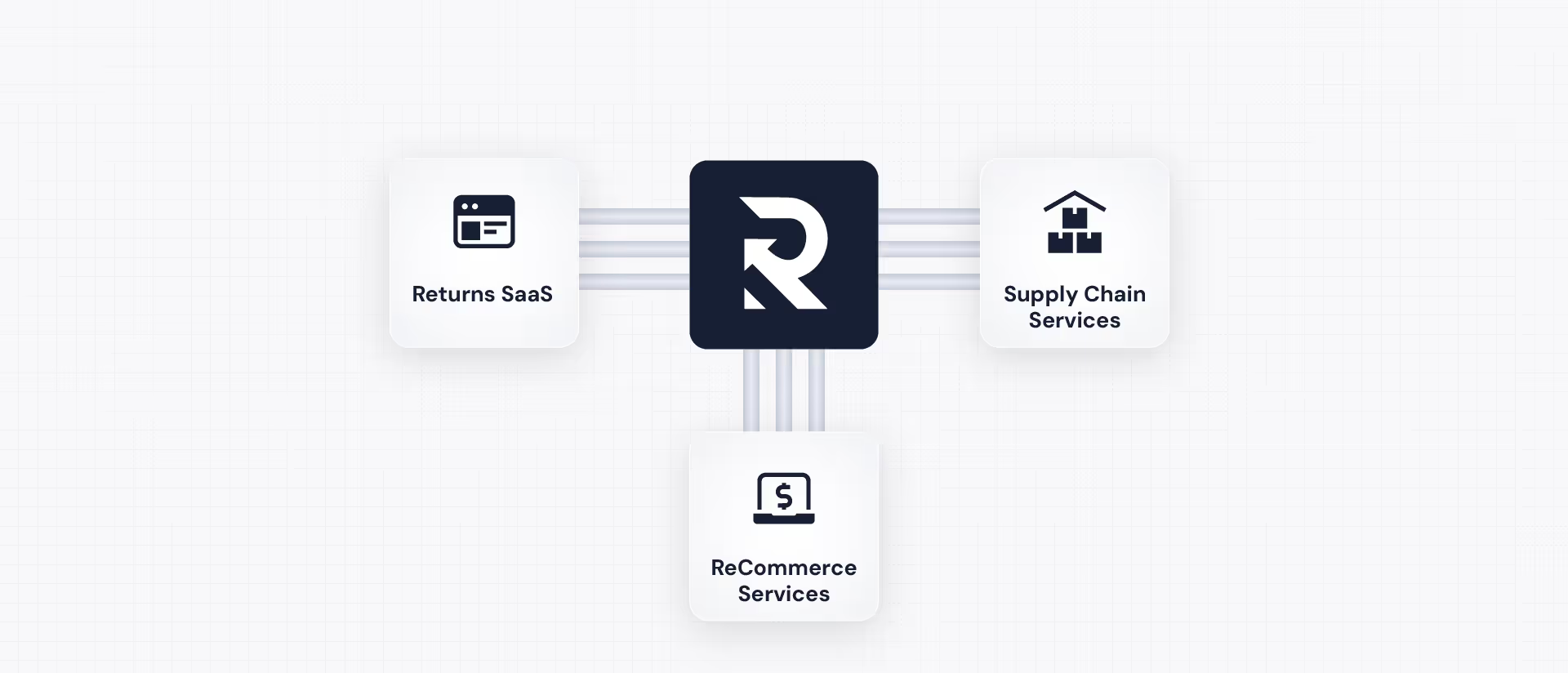
The goal of your returns strategy should be simple: make customers happy so they keep coming back. A positive and easy return experience is one of the best ways to build that loyalty. This is where a unified approach makes all the difference. By using technology to automate the process, you can make returns faster and easier for everyone. Imagine customers starting a return online in just a few clicks and receiving automatic status updates along the way. ReturnPro brings all the critical pieces together into one cohesive strategy. We combine our powerful returns software with expert supply chain and recommerce services to create a seamless experience for both you and your customers. We help you turn returns from a cost center into a powerful tool for retention and revenue.
Frequently Asked Questions
My returns process is a mess. What's the very first step I should take? Before you do anything else, focus on creating one single, unified returns policy for all your sales channels. This is the foundation for everything that follows. Sit down and decide on a consistent return window, condition requirements, and refund options that apply whether a customer bought from your website, a physical store, or a marketplace. A clear and consistent policy eliminates the biggest source of customer confusion and gives your team a straightforward set of rules to follow.
Is offering flexible return options like "buy online, return in-store" really worth the operational hassle? Yes, it absolutely is. While it requires your backend systems to be in sync, the payoff in customer loyalty is huge. Customers value convenience above almost anything else, and making returns easy is a powerful way to earn their repeat business. Think of it as a second chance to make a great impression. A smooth in-store return of an online purchase can lead to an immediate exchange or a new purchase, turning a potential loss into a new sale and a stronger customer relationship.
A return feels like a lost sale. How can I turn it into something positive for my business? You can start by reframing the goal from processing a refund to keeping the customer. The best way to do this is by making exchanges more attractive than refunds. You could offer a small bonus credit for customers who choose store credit, or implement an instant exchange system where the new item ships as soon as the return is in the mail. This keeps the revenue in your business and guides the customer to a product they'll love, turning a moment of disappointment into a positive brand interaction.
How can I actually reduce the number of returns I receive in the first place? Your returns are giving you valuable feedback, so you need to listen to what they're telling you. Start by carefully tracking the reasons customers select when they initiate a return. If you see a pattern, like a specific shirt always being returned for running small, you know you have a product description or sizing chart to fix. Using this data to make proactive improvements to your products and website copy is the most effective way to reduce your return rate over time.
Do I really need special software for this, or can I manage with my current systems? While you can try to manage with spreadsheets and email, you'll quickly find that manual processes create delays, errors, and a poor customer experience. A dedicated returns management platform automates the entire workflow, from generating a label to processing the refund. It centralizes all your data in one place, giving you a clear view of every return across all your channels. This not only saves your team countless hours but also provides a professional, seamless experience that customers expect.