Let's talk numbers. The global resale market is growing five times faster than traditional retail, and it’s on track to become a multi-billion dollar industry. Your customers are already participating, buying and selling pre-owned items on third-party platforms. The question is, why should another marketplace profit from your products? By launching a fashion recommerce program, you can bring that value back to your own brand. It’s a strategic move to create a powerful new revenue stream from inventory you’ve already produced, turning returned, past-season, or slightly imperfect items into valuable assets instead of costly write-offs.
Key Takeaways
- Embrace recommerce as a strategic business model, not just a trend, to connect with modern shoppers who prioritize sustainability and value.
- Successful recommerce requires a clear operational plan for handling reverse logistics and quality control, whether you build it in-house or use an expert partner.
- Turn returned products into a new revenue stream by creating a system to inspect, grade, and resell items, which recovers value and strengthens customer loyalty.
What Is Fashion Recommerce?
You’ve probably heard the term “recommerce” floating around, and for good reason. At its core, fashion recommerce is the business of reselling pre-owned clothing and accessories. Think of it as the next evolution of the secondhand market, where brands get directly involved. Instead of customers selling items on their own, many brands now offer to take back their gently used products in exchange for cash or store credit. This creates a win-win: customers get value from their past purchases, and your brand gets to give items a second life.
This model is about more than just resale; it’s about building a circular system for your products. By participating in the lifecycle of your items, you can foster a deeper connection with your customers and create new revenue streams from inventory you already produced. With the right strategy, recommerce can become a powerful part of your business, turning items sent back by customers into valuable assets. ReturnPro’s ReCommerce Services are designed to help you manage this entire process, from inspection and grading to resale and fulfillment.
How Does It Work?
Getting started with recommerce doesn't have to be complicated. The process works through a few different channels, giving you the flexibility to choose what’s best for your brand. You could create a dedicated section on your website for pre-owned items, partner with a specialized resale platform, or even offer a trade-in program where customers bring items back for store credit. The key is to make the process seamless for your customers.
For example, a customer might send back a gently used dress. Your team (or a partner like ReturnPro) inspects it, grades its condition, and lists it for sale. This approach allows you to control the brand experience from start to finish while tapping into a growing market of shoppers looking for sustainable and affordable options.
Recommerce vs. Traditional Resale: What's the Difference?
So, what makes recommerce different from a traditional thrift or consignment store? The biggest distinction is brand involvement and the focus on creating a circular economy. While traditional resale is simply about selling used goods, recommerce is a strategic model where brands actively participate in extending the life of their products. This isn't just about clearing out old inventory; it's about intentionally designing a system that reduces waste.
This active role makes a huge difference to shoppers. When you offer a resale option, you're sending a clear message about your brand's commitment to quality and sustainability. Studies show that the majority of consumers are more loyal to brands that have resale programs. By integrating recommerce, you’re not just selling a product; you’re building a community around your brand and showing customers you share their values, which is a core part of the ReturnPro philosophy.
Why Is Fashion Recommerce Growing So Fast?
It’s clear that recommerce is more than just a buzzword; it’s a fundamental shift in how people shop. This isn't about a niche market anymore. It's a powerful movement driven by conscious consumers and smart economics. If you've been wondering what's behind this rapid growth, it really comes down to a few key factors.
The Market by the Numbers
Let's look at the numbers, because they tell a powerful story. The global recommerce market is already valued at over $100 billion and is growing five times faster than the traditional retail sector. Projections show it could double in the next five years. By 2030, secondhand items might account for nearly a quarter of the average person's closet. This isn't a small trend to watch from the sidelines; it's a massive commercial opportunity that is reshaping the entire retail landscape. For brands, this data signals a critical need to adapt and find a place within this booming circular economy.
What's Driving Shopper Demand?
At its core, the recommerce boom is fueled by a major shift in consumer values. People are more aware than ever of their environmental footprint, with studies showing that around 77% of Americans are concerned about the environmental impact of the products they buy. The fashion industry, in particular, has come under scrutiny for producing an estimated 17 million tons of textile waste each year in the U.S. alone. Recommerce offers a tangible solution. By giving pre-owned clothing a second (or third) life, shoppers feel they are making a positive choice that keeps items out of landfills and reduces the demand for new production.
How Gen Z and Eco-Conscious Shoppers Are Leading the Charge
Younger generations, especially Gen Z, are the driving force behind the recommerce movement. For them, buying secondhand isn't just a budget-friendly option; it's a lifestyle. Around 60% of Gen Z shoppers already buy secondhand, seeking unique pieces that express their individuality while aligning with their sustainable values. But this mindset is spreading. One report found that 76% of all consumers plan to purchase more pre-owned clothing in the coming years. This shows that the desire for sustainable, value-driven shopping is becoming mainstream, creating a lasting change in consumer behavior that brands can't afford to ignore.
What Are the Benefits of Recommerce for Your Brand?
Adopting a recommerce model does more than just clear out old stock; it creates a powerful new stream for revenue, shopper engagement, and brand identity. For many consumers, a brand’s commitment to sustainability and value is just as important as the quality of its products. By entering the resale market, you’re not just selling clothes. You’re building a community, reinforcing your values, and creating a more resilient business. Let's look at how recommerce can directly benefit your brand.
Generate Revenue from Returned Items
Every item sent back represents a potential loss, but recommerce flips that script. Instead of selling off returned or slightly imperfect items at a steep discount, you can resell them and recover a significant portion of their original value. This is especially profitable for high-quality or luxury goods. A well-managed resale program turns returned, damaged, or past-season products from a logistical headache into a new revenue opportunity. With the right process, you can use ReCommerce services to inspect, grade, and reintroduce these items to the market, maximizing the value you get from every single product you create.
Build Stronger Customer Loyalty
Recommerce shows shoppers you stand behind your products' longevity and share their values. When you offer a resale option, you’re giving consumers a reason to stay engaged with your brand long after the initial purchase. It’s a powerful way to build a loyal community. In fact, research shows that 75% of consumers would be more loyal to a brand that offers resale options. By providing a trusted, branded platform to buy and sell pre-owned items, you can enhance shopper satisfaction and keep people coming back, knowing they can get lasting value from their purchases.
Make Your Sustainability Goals a Reality
For brands serious about sustainability, recommerce is one of the most impactful strategies you can implement. It directly supports a circular economy by extending the life of your products and keeping them out of landfills. The environmental savings are impressive; buying a single used dress instead of a new one can save kilograms of CO2 and hundreds of liters of water. An integrated approach to handling items sent back and reselling them helps you turn these sustainability goals into a measurable reality, reducing waste and operating more efficiently while showing shoppers you’re committed to positive change.
Exploring Fashion Recommerce Business Models
Once you decide to get into recommerce, the next step is choosing how you’ll do it. There isn’t a single path to success, and the right model for your brand depends on your resources, goals, and how much control you want over the process. Some brands want to manage everything in-house to maintain a tight grip on their brand image and customer experience. Others prefer to work with a partner to handle the heavy lifting, allowing them to launch faster and with fewer operational headaches.
Thinking through these options is a critical strategic step. Do you have the warehouse space and staff to process, clean, and photograph individual pre-owned items? Do you have the technology to list them on your site and manage a separate inventory? Or would you rather lean on an expert partner who already has these systems in place? Each model offers a unique way to give your products a second life and connect with a new wave of conscious consumers. Let's walk through the most common approaches to help you find the best fit for your business, whether you're just starting or ready to scale.
Run Your Own Resale Program
Taking a hands-on approach by running your own resale program gives you complete control over the customer experience. With this model, you manage the entire process, from accepting pre-owned items to inspecting, pricing, and relisting them on a dedicated section of your site. Brands like Nike and Urban Outfitters have found success with this method, creating a fully branded experience that feels like a natural extension of their primary storefront. While this model requires more upfront investment in technology and operations, it allows you to own the customer relationship and gather valuable data. With the right end-to-end recommerce support, you can create a seamless process that keeps customers within your brand’s ecosystem.
Partner with a Resale Marketplace
If building a program from scratch sounds daunting, partnering with a third-party resale platform is an excellent alternative. Companies like thredUP and Recurate specialize in recommerce and offer white-label solutions that integrate directly with your brand. These partners handle the complex backend work, including processing inbound items, quality control, and fulfillment. This approach lets you get a recommerce program running quickly without a massive operational overhaul. It’s a popular choice for brands that want to test the waters of resale or prefer to outsource the logistics to seasoned experts, freeing up your team to focus on what they do best while still reaping the benefits of a circular sales channel.
Offer Trade-In and Store Credit
A trade-in program is a simple yet powerful way to participate in the circular economy while encouraging repeat business. With this model, you invite customers to send back their used items from your brand in exchange for store credit or a discount on a future purchase. This creates a compelling incentive for shoppers to return to your store, effectively turning old products into new sales. It’s a fantastic strategy to build stronger customer relationships and loyalty, as it rewards them for their continued engagement with your brand. You can then process these returned items and feed them into your own resale channel or a partner marketplace, ensuring a steady supply of pre-owned inventory.
Leverage Peer-to-Peer (P2P) Platforms
Peer-to-peer platforms are online marketplaces where individuals sell items directly to one another. While your brand isn’t directly involved in these transactions, platforms like Depop and Poshmark are valuable sources of insight. By observing how your products perform on the secondary market, you can learn a lot about their durability, timelessness, and resale value. This information can inform your product development and marketing strategies. Some brands also engage with these communities through curated accounts or influencer partnerships. Even if you don't sell directly on P2P sites, understanding this part of the ecosystem is key to a comprehensive recommerce strategy and helps you keep a pulse on your brand's long-term value.
How to Launch a Successful Recommerce Program
Jumping into recommerce might feel like a huge undertaking, but you can set yourself up for success by breaking it down into a few key steps. A successful program isn't just about listing used items for sale; it's about creating a thoughtful, efficient system that benefits your brand, your customers, and the planet. With the right strategy, you can turn returned and pre-owned goods into a powerful new revenue stream. It requires careful planning, from how you get items back to how you price them and show their value. Let's walk through the essential building blocks for launching your own recommerce program that not only works but also strengthens your brand.
Build a Seamless Resale Process
Your recommerce program is only as strong as its logistics. To make it work, you need a smooth and scalable process for getting items back from customers, inspecting them, and preparing them for resale. This means coordinating with suppliers and logistics partners to create an efficient system. A clunky or slow process will discourage customers from participating and create operational headaches for your team. The key is to establish a clear path for every item, from the moment a customer sends it back to the moment it’s listed on your resale channel. Investing in efficient reverse logistics ensures your program can handle volume while maintaining a positive customer experience.
Price and Grade Pre-Owned Items
Setting the right price for pre-owned items is a delicate balance. Price too high, and shoppers will look elsewhere. Price too low, and you’ll hurt your profit margins. This is where a clear grading system comes in. Create simple categories like “like new,” “gently used,” or “good condition” so customers know exactly what to expect. Technology can also give you a major advantage here. Many brands now use AI-powered tools that analyze an item’s condition, original price, and current market demand to recommend the best resale price. Using a partner to help you grade and price items accurately helps you sell them faster and more profitably.
Use Incentives to Encourage Participation
To get a steady stream of pre-owned inventory, you need to give customers a good reason to send their items back to you. While some might be motivated by sustainability alone, most people respond well to incentives. Offering store credit for trade-ins is a popular and effective strategy because it encourages customers to make their next purchase with you, keeping revenue within your brand. You could also offer a discount on a future order or a direct cash payment. The right incentive helps you build customer loyalty and transforms a one-time buyer into a repeat participant in your circular ecosystem.
Measure Success with the Right Metrics
How do you know if your recommerce program is actually working? You need to track the right metrics from the start. Success in recommerce is about more than just sales; it’s about financial performance and environmental impact. On the financial side, you should monitor resale revenue, profit margins, and any changes in customer lifetime value. For your environmental goals, track the number of items diverted from landfills and calculate the corresponding reduction in waste, water usage, and carbon emissions. Being able to measure the impact of your program gives you powerful data to share with your customers and stakeholders, proving its value beyond the bottom line.
What Role Does Technology Play in Recommerce?
Running a successful recommerce program isn't just about collecting old items; it's about creating an efficient, profitable system. This is where technology becomes your most valuable player. The right tech stack can transform recommerce from a logistical headache into a streamlined revenue generator. It helps you manage everything from the moment a customer starts a return to the final resale, making the entire process smarter and more scalable for your brand. Think of it as the central nervous system for your resale operations, connecting your returns process, inventory management, and sales channels into one cohesive, intelligent workflow. Without it, you're left with manual processes that are difficult to scale and can quickly eat into your profits.
Automate Returns Processing with AI
Imagine trying to manually inspect, grade, and process thousands of returned items. It’s a huge operational lift. Thankfully, specialized software using Artificial Intelligence (AI) can automate much of this work. This technology streamlines your entire returns management process, from initial intake to routing items for resale, recycling, or disposal. By modernizing how you handle returns, AI-powered systems can significantly reduce manual labor and operational costs. This frees up your team to focus on what they do best, while the technology handles the heavy lifting of getting products ready for their second life. ReturnPro's Returns SaaS platform is designed to bring this level of automation and intelligence to your operations.
Use Data to Set Smart Resale Prices
Pricing pre-owned items can feel like a guessing game. Price too high, and the item sits on the shelf. Price too low, and you leave money on the table. This is another area where AI makes a huge difference. Smart technology analyzes a ton of data points in real-time, like the item’s condition, original price, and current market demand. Based on this analysis, it recommends the optimal resale price to help you sell items quickly while maximizing your revenue. This data-driven approach ensures you get the most value from every returned item, turning your recommerce program into a predictable part of your business. Our ReCommerce Services leverage this technology to help you do just that.
Find Digital Platforms That Engage Shoppers
Your recommerce technology isn't just for the back end; it also shapes the customer experience. To successfully sell pre-owned items, you need a digital platform that makes shopping easy and engaging. Brands are finding success by creating dedicated resale sections on their websites or using specialized platforms that provide a seamless experience for secondhand shoppers. These platforms do more than just list products; they build trust by providing detailed descriptions and quality grades. The right recommerce solution helps you create a storefront that makes buying pre-owned feel just as special as buying new, fostering loyalty along the way.
How Recommerce Creates a Circular Economy
For decades, the fashion industry has largely followed a straight line: make, sell, use, and discard. This linear model is becoming a major problem for the planet and for brands trying to operate more responsibly. A circular economy offers a better way forward. It’s a system where items are kept in use for as long as possible through reusing, repairing, and recycling. Recommerce is one of the most effective ways for fashion brands to join this circular movement, turning what was once the end of a product’s journey into a new beginning. By embracing recommerce, you’re not just adopting a sustainable practice; you’re building a more resilient and modern business.
Reduce Textile Waste and Carbon Emissions
The fashion industry generates a staggering amount of waste, with millions of tons of textiles ending up in landfills each year. Recommerce directly confronts this issue by giving clothing a second chance. Instead of being thrown away, pre-owned items are put back into circulation, significantly extending their lifespan. The environmental savings add up quickly. According to research from the University of North Texas, reselling just one used dress can save nearly 8.4 kg of CO2 from entering the atmosphere. This creates a powerful story your brand can share, showing customers you’re committed to reducing your environmental footprint and making a tangible difference.
Extend the Life of Your Products
When you stand behind your products enough to resell them, it sends a strong message about their quality and durability. Recommerce allows you to prove that your items are built to last, justifying their initial price and reinforcing your brand’s value. A brand-led take-back program, where you accept gently used items from customers for store credit or cash, is a great way to do this. It keeps your products in a closed-loop system that you control. This process not only reduces waste but also gives you a new stream of inventory. With the right partner, you can efficiently process these items and get them ready for resale through your own ReCommerce services.
Meet Your ESG Goals
Investors, partners, and customers are all paying closer attention to Environmental, Social, and Governance (ESG) goals. Recommerce is a practical and profitable way to make serious progress on your ESG targets. Environmentally, it reduces waste and conserves resources. Socially, it promotes conscious consumerism and makes your products accessible to a wider audience. It’s also a smart business move that builds incredible loyalty. Studies show that 75% of shoppers are more loyal to brands that offer resale options. By integrating recommerce, you can turn returned and pre-owned items into a new source of revenue while demonstrating a clear commitment to sustainability goals.
Common Recommerce Challenges to Prepare For
Launching a recommerce program is an exciting step, but it’s wise to go in with your eyes open. While the rewards are significant, from new revenue streams to deeper customer loyalty, recommerce comes with its own unique set of operational hurdles. Think about your standard retail operations: you sell hundreds or thousands of identical SKUs, with predictable logistics and quality control. Recommerce flips that model on its head. Suddenly, you’re dealing with a constant flow of one-of-a-kind items, each with its own history, condition, and story. This creates complexities that your standard operations might not be equipped to handle right out of the box.
Thinking through these potential roadblocks ahead of time is the key to building a resilient and profitable program. The main areas to prepare for are the logistics of getting items back, the process of ensuring quality at scale, building customer trust in secondhand goods, and shifting shopper mindsets. It might sound like a lot, but don't worry. Every brand with a successful resale program has worked through these same issues. With the right strategy and partners, you can create a smooth experience for both your team and your customers. These challenges are not barriers; they're simply part of the recommerce landscape you can plan for with the right solutions.
Managing Reverse Logistics
The first puzzle to solve is reverse logistics. Simply put, how do you efficiently get pre-owned items from your customers back into your hands? Running a recommerce business requires a well-organized system for managing inbound shipments and returns, which is often more complex than shipping new products out. Each return or trade-in is a unique event, involving a single item that needs to be tracked, received, and routed to the right place for processing. Without a streamlined workflow, you can quickly find yourself buried in a logistical bottleneck that slows down your entire program and frustrates customers. Planning your supply chain services strategy from the start will save you countless headaches down the road.
Handling Quality Control at Scale
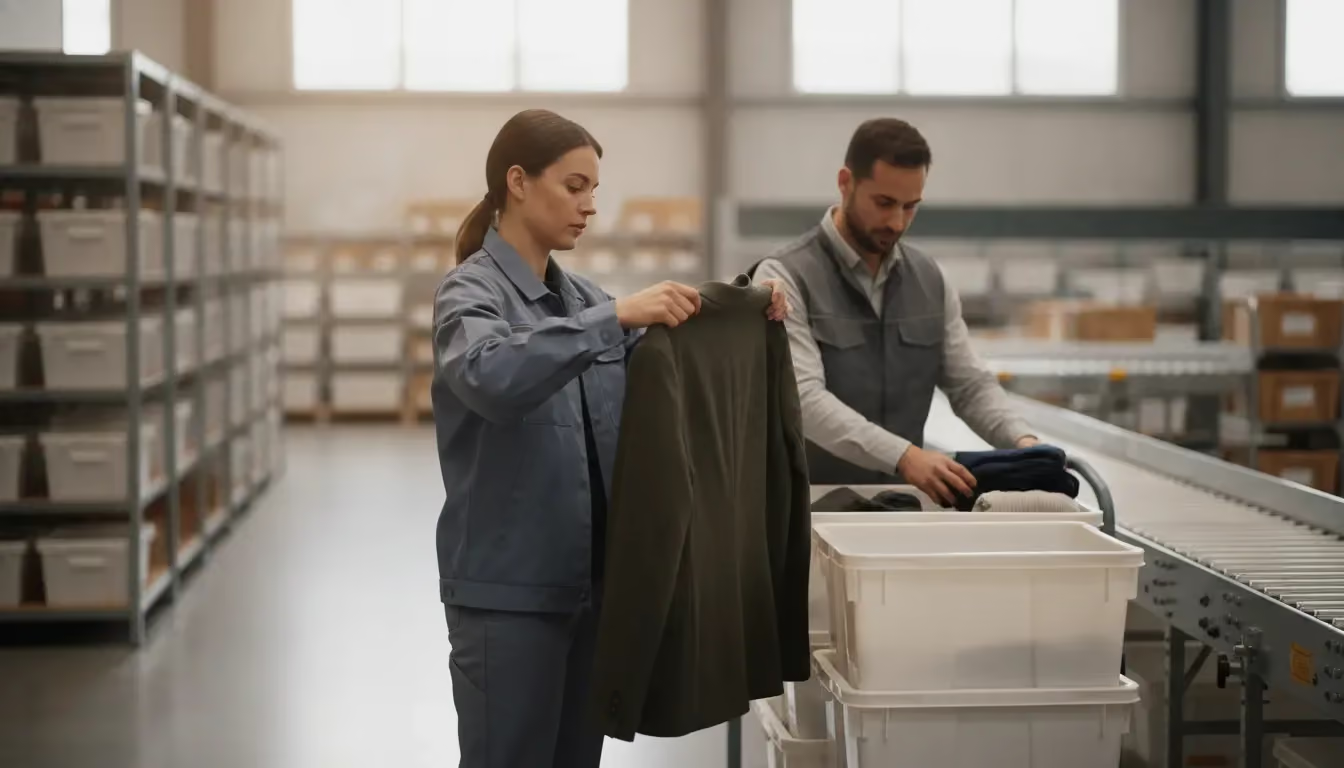
Once an item arrives, the next challenge is quality control. It’s a hands-on, and often expensive, process to collect, inspect, clean, and resell used items. Your team will need to carefully check each piece for wear and tear, perform any necessary cleaning or repairs, and assign it a condition grade before it can be listed for sale. While this is manageable with a few items, it becomes a major operational challenge as your program grows. Maintaining consistent grading standards across a large volume of unique products requires clear guidelines, robust training, and a dedicated team. This is where specialized recommerce services can help you scale without sacrificing quality.
Building Trust in Secondhand Items
Selling pre-owned fashion requires more than just good logistics; it requires trust. Customers need to feel confident that the secondhand item they’re buying is authentic and in the condition you’ve described. You need a way to make customers trust that your resold products are still great. You can build this confidence by being transparent. Use clear grading systems (like "Like New" or "Gently Worn"), provide high-quality photos that show the item from all angles, and write detailed descriptions that note any minor imperfections. A fair and easy return policy for your recommerce items also goes a long way in giving shoppers the peace of mind they need to make a purchase.
Overcoming Common Customer Misconceptions
Even with a great process, you may need to address some common customer hesitations about buying secondhand. Some shoppers still associate "used" with "undesirable," so it's your job to reframe the narrative. Position your recommerce program as a smart and sustainable choice. Your existing brand recognition is a powerful asset here; customers who already love your brand are more likely to trust your pre-owned offerings. Use your marketing to highlight the benefits, like scoring a sold-out favorite or making an eco-friendly choice. By making your resale program attractive and easy to participate in, you can motivate customers to embrace a more circular way of shopping and see why a strong partner can make all the difference.
Is Recommerce Right for Your Brand?
Deciding to launch a recommerce program can feel like a huge step, but it might be more approachable than you think. The key is to understand if the timing is right for your business and what kind of support you’ll need to get started. By looking at a few key signs and knowing what to look for in a partner, you can make a clear-headed decision that aligns with your brand’s goals.
Signs You're Ready to Start
If you’re wondering whether to dip your toes into the resale market, the answer might be in your customers’ closets. The global recommerce market is growing five times faster than traditional retail, and there’s a good chance your audience is already participating. In fact, most retail leaders acknowledge their customers are already buying and selling used items.
With more than 120 brands already running their own recommerce programs, the path is becoming well-established. If you’re seeing a steady stream of returns or notice your products appearing on third-party resale sites, it’s a strong signal that you have an opportunity. Instead of letting others profit from your products, you can create your own branded experience, control the narrative, and give your customers a sustainable way to shop.
How to Choose the Right Recommerce Partner
You don’t have to build a resale program from the ground up all on your own. Many brands find success by working with a partner that specializes in the operational side of resale. The right partner can help you build a smooth, efficient, and scalable system without overwhelming your internal teams.
When evaluating potential partners, look for one that offers comprehensive ReCommerce Services. You’ll want a team that can manage the entire reverse logistics process, from receiving returned items to inspecting, grading, and preparing them for resale. An ideal partner will also provide the technology and platform to create a seamless digital storefront for your pre-owned collection. This end-to-end support lets you focus on your brand while your partner handles the complex details of giving your products a second life.
Power Your Resale Program with ReturnPro
Turn Returns into Revenue
Let’s be honest, returns can feel like a pure loss. But they don’t have to be. What if you could transform those returned items into a fresh source of revenue? That’s exactly where a smart recommerce strategy comes in. By using an intelligent system to process, grade, and relist your returns, you can recover significant value that would otherwise be lost. This approach turns a costly problem into a profitable opportunity and gives your products a second life. ReturnPro’s ReCommerce Services are designed to do just that, helping you capture new income from items that are already in your ecosystem.
Get End-to-End Recommerce Support
Launching a resale program can feel like a huge undertaking, especially when you’re trying to piece together different systems for returns, logistics, and sales. A successful program requires a seamless process from start to finish. Instead of juggling multiple vendors, you can partner with a single provider for end-to-end support. ReturnPro offers a complete suite of solutions that integrates returns management software with supply chain and recommerce services. This unified approach simplifies your operations, ensures a consistent brand experience, and gives you a solid foundation to build and scale your resale program with confidence.
Related Articles
- Winning on the Secondary Market: 4 Tips Every Reseller Should Know
- The Return Renaissance: ReCommerce Economy Becomes Retail’s New Growth Engine
- Fixing the Hidden Cost of Returns: How Smart Retailers Are Automating Recovery and ReCommerce
- Rethinking Returns, Circularity Powers the Bottom Line
- Thought Leadership Report: How we leverage recommerce to increase retail profits
Frequently Asked Questions
Can recommerce work for my brand if I don't sell luxury items? Absolutely. While luxury goods have high resale value, recommerce is successful for any brand whose products are made to last. The key drivers for shoppers are sustainability and value, which are universal. If your customers appreciate quality, they will be interested in a more accessible, pre-owned version of your products. It shows you stand behind your product’s durability, no matter the price point.
What's the simplest way for a smaller brand to get started with recommerce? The most straightforward entry point is often a trade-in program. Offering customers store credit in exchange for their gently used items is a fantastic way to source inventory while encouraging them to shop with you again. This model is relatively simple to manage and builds a loyal community from the start. If you want a more hands-off approach, working with a recommerce partner who handles the logistics is the next easiest step.
I'm worried that selling used clothing will damage my brand's reputation. How can I avoid that? This is a common concern, but a well-executed recommerce program actually strengthens your brand. By creating a branded, official resale channel, you control the narrative and the customer experience. It shows you are confident in your product's quality and committed to sustainability. This is far better than letting your items be sold on random third-party marketplaces where you have no say over pricing or presentation.
How do I handle the logistics of inspecting and grading all these unique, pre-owned items? Managing a constant flow of one-of-a-kind items is the biggest operational challenge of recommerce. Success depends on having a very clear and efficient system for receiving items, inspecting their condition, and assigning a grade. This is where many brands choose to work with a specialized partner. A partner with established reverse logistics and recommerce services can manage this entire process for you, ensuring quality and consistency without overwhelming your team.
Is recommerce really profitable, or is it more about hitting sustainability goals? It’s definitely both. The profitability comes from turning items that would otherwise be a financial loss, like returns or past-season stock, into valuable assets you can sell again. With smart pricing and an efficient process, it becomes a predictable new revenue stream. The sustainability benefits are a powerful and authentic bonus that builds customer loyalty, so the two goals work together to strengthen your business.